Monday / October 5. 2026
menu-logo menu-logo
brand-logo
Subscribe
Subscribe
Monday / October 5. 2026
  • Read
    • Daily News
      • Financial
      • Insights
      • U.S.
      • International
    • Digital Issue
    • Executive Announcements
    • Cover Stories
    • Feature Articles
      • Exclusive Interviews
    • International Focus
    • Company Spotlights
    • Forward Thinking
    • Legal Briefs
    • Insights from the Outside
    • For You | For Your Field
    • Working Smart
  • Listen & Watch
    • Direct Approach Podcast
    • What’s Working in Direct Selling
    • BUILT TO LAST
      • Zinzino
      • PM-International
      • LifeWave
    • The DSN Podcast
  • ATTEND
  • Achieve
    • Global 100 List
    • Bravo Awards
    • Best Places to Work
    • Legends
  • Research
    • Stock Watch
    • DSN Supplier Sponsors
    • The DSN Guide
    • Supplier Directory
    • Stock Ticker
    • Resources
  • Engage
    • About DSN
    • Supporter Program
    • Subscribe
    • Advertise
    • VIP Text Alerts
    • Connect
  • Search
Subscribe

The Human Advantage

January 28, 2026 by Sam Hind

How home office teams can lead the field through AI and social media change.

Listen to this story starting at 13:58 on the new, revamped The DSN Podcast. Even when your day is packed, we make it easy to stay informed, engaged and one step ahead. Listen now or read below!

If you lead training or marketing inside a direct selling company, you’re probably feeling two things at once right now: excitement and concern.

Excitement because AI is helping people create faster, easier and with more confidence than ever before. Concern because the way the field is using AI is starting to clash with what social platforms reward; what compliance requires; and what customers trust. In short, we’re becoming less human.

Which means the home office isn’t just training how to create content anymore—you’re protecting trust, compliance and the reputation of the channel.

The companies that win the next 12–18 months won’t be the ones who shout “use AI!” the loudest. They’ll be the ones who set smart guardrails that keep content human, compliant and platform friendly.

Here are the key social and AI trends and shifts I’m watching right now—and what they mean for home office teams as you seek practical ways to protect trust and grow reach.

Platforms Are Doubling Down on Original, Human Content

Instagram and Facebook are pushing originality and real engagement harder than ever. Instagram has openly said it wants to recommend original creators more and reduce visibility for repost-heavy or “aggregate” accounts.

At the same time, both Meta platforms continue leaning into AI-driven recommendations that prioritize meaningful interaction and watch time, not just content volume.

Action items for the home office:

  1. Update training to prioritize creation, not just reposting. Encourage field members to use templates and inspiration, but always add personal context, a story or their own voice.
  2. Provide a simple content cadence that’s sustainable with lifestyle that bakes in originality (e.g., two story posts, one value post, one lifestyle post weekly).
  3. Don’t just reward “pretty” content. Reward content that builds trust and conversation.

AI Content Is Being Labelled—and Low-Value AI Is Getting Demoted

Meta is expanding “Made with AI” and “AI info” labels and expects creators to disclose AI-generated media. Instagram executives have stressed the growing need for transparency because people are losing trust in what they see.

That’s unsurprising, with reports from the platforms estimating that over 40 percent of all content we see today may be AI-generated.

The danger isn’t AI itself. The danger is generic, mass-produced AI content that feels fake, repetitive and disconnected from a real human. Platforms are getting better at detecting and downranking this kind of content.
Anatoliy Karlyuk/shutterstock.com

Action items for the home office:

  1. Teach the difference between AI as an assistant vs. a replacement.
    • Assistant = ideas, structure, editing, clarity, captions, repurposing.
    • Replacement = full posts with no personal story, no opinion and no voice.
  2. Provide a simple “AI-use policy” your field can understand:
    • Use AI to support content—but ensure their story, opinion and experience are visible.
    • If a post is fully AI-generated, disclose it.
    • Never use AI to invent health claims, income claims or fake testimonials.
    • When in doubt, ask compliance.
  3. Share real examples of “good AI” and “bad AI” posts to support clarity and consistency.

Reels and Short Video Still Matter—but Retention Matters More

Instagram and Facebook continue to favor short-form video. In 2026, the growth lever is not just creating Reels—it’s creating Reels people finish. That means optimizing for watch time and replays.

This is good news for direct sellers because it rewards relatable, simple, low-production content—not polished perfection.

Action items for the home office:

  1. Shift training from “make Reels” to “make Reels people finish.” Focus on:
    • Three-second hooks
    • One clear idea per Reel
    • Story structure: problem → moment → takeaway → soft invite
      I call this the “date, date, date—ask” strategy. In other words, build relationship and curiosity first, then invite.
  2. Provide a monthly Reel prompt bank (relational, curiosity-led and story-selling friendly).
  3. Encourage leaders to model imperfect but consistent video so the field feels safe to follow.

Ads and Compliance Are Colliding More Often

Meta’s ad system is stricter, more automated and more sensitive to health, income and “before/after” content. Many direct sellers are encouraged to run ads without understanding policy risks—which leads to frustration and wasted money.

What this means for home office teams:

  1. If you want field members running ads, equip them with:
    • Pre-approved ad templates
    • Compliant copy frameworks
    • A simple “red flag” list (what not to say, show or imply)
  2. If you don’t want the field running ads, be clear and explain why.
  3. Consider a quarterly ad-policy update for leaders to keep advice relevant and reduce confusion.

Human Connection—Supported by Smart Tech Wins

AI will keep evolving. Algorithms will keep changing. But the companies that stay steady are the ones who anchor the field in what never changes:

  • Customers buy from people they like, know and trust.
  • Platforms reward content that feels real, useful and relational.
  • AI is powerful when it helps humans show up more consistently—not when it replaces their voice.

If training keeps that heartbeat clear, the field will grow with confidence instead of overwhelm.

A simple way to frame your internal strategy:

  • Human first.
  • Work with the algorithm by focusing on what it rewards (watch time, saves, shares and conversation).
  • Use AI to speed up clarity and execution—to enhance, not replace, the person.
  • Build trust before you build volume.

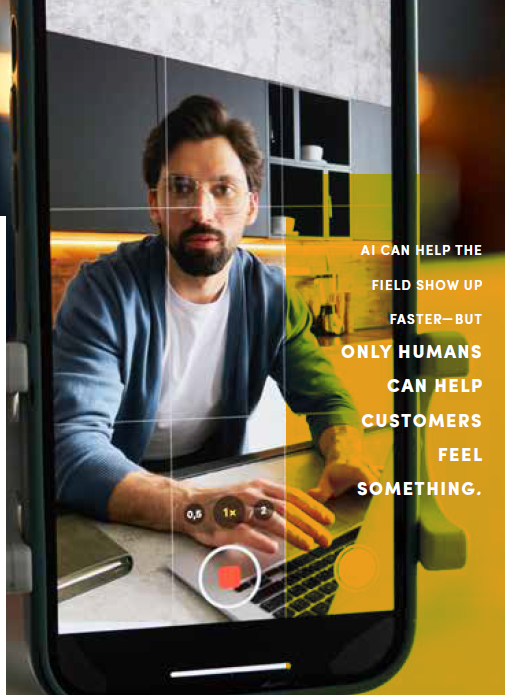
AI can help the field show up faster—but only humans can help customers feel something. That’s how we protect the reputation of the channel and help the field move the needle in 2026.


Sam Hind, Founder, Auxano Global | Speaker & Digital Growth Strategist, is a social media and digital marketing strategist who trains direct selling field and home office teams globally. She helps companies build human-first social media systems and responsible AI practices that protect trust, grow reach and create sustainable momentum.

Filed Under: Insights from the Outside Tagged With: AI, Auxano Global, social media

PM-International Sells One Billion FitLine Products Worldwide

January 27, 2026 by DSN Staff Writer

PM-International announced it has reached a significant milestone of selling more than one billion FitLine products worldwide. The FitLine brand has fueled more than 1,000 professional athletes and sports associations worldwide, including the ATP Tour, the German Ice Hockey Federation, the Paris Basketball Team and the Korean Wrestling Federation.

The company stated that the milestone is a historical achievement that “reflects more than 30 years of scientific innovation, premium product quality and the trust and loyalty of millions of distributors and customers across the globe.”

“This number stands for one billion decisions to trust in FitLine, that make a difference for people every day – and 1 billion times the chance to improve life quality,” said Rolf Sorg, PM-International CEO & Founder. “For this, we are incredibly thankful to our customers and partners.”

Filed Under: Daily News Tagged With: PM-International, Rolf Sorg

Zinzino Announces Acquisition of It Works!

January 26, 2026 by DSN Staff Writer

Zinzino announced a merger of It Works! into the Zinzino family of businesses. Through the agreement, Zinzino has acquired the operational assets of the US business, including inventory, distributor agreements, customer agreements and IP rights for It Works!, as well as 100% of shares in It Works! Marketing International UC, an Irish unlimited company, and its wholly owned subsidiaries.

“Individual advice and tailor-made solutions are the future, and not just in health and wellness,” said Dag Bergheim Pettersen, Zinzino CEO, and Mark Pentecost, President and Founder of It Works! “Together, we have many years of combined industry experience and everything it takes to drive the modern, personalized shopping experience through direct sales.”

Zinzino stated that this is a strategic and important step in its growth plan, which will focus on improving personal health and wellbeing on a global level through innovative biotechnology and a product portfolio marketed through direct sales. The acquisition and merger will also provide increased distribution power in North America and Europe.

Per the agreement, Zinzino will pay $30 million, 100% of which will be settled through newly issued Zinzino shares. Additional purchase prices will be based on future sales development, estimated at $4 million, which will also be settled through newly issued Zinzino shares.

“A visionary mindset, a tech-first perspective, test-based nutrition at the cellular level and a strong position to capitalize on current trends will form the basis of the partnership with It Works!,” Zinzino wrote in a statement. “Following several acquisitions in recent years, Zinzino has been looking for further investments to maintain its sustainable, profitable growth, strengthen its distribution power, expand into new markets and leverage its product portfolio in new consumer areas.”

Filed Under: Daily News Tagged With: Dag Bergheim Pettersen, It Works!, Mark Pentecost, zinzino

LR Health & Beauty Reports Preliminary Financial Results for 2025

January 26, 2026 by DSN Staff Writer

LR Health & Beauty SE announced its preliminary financial results for 2025. Total sales for full-year 2025 are now expected to reach $328 million, solidly in line with previously released guidance of $327 million to $333 million. The company expects EBITDA around $19 million for the full-year 2025, which is just below previously released guidance that advised EBITDA totals would be between $20 million and $23.75 million.

In tandem with its financial announcement, LR Health & Beauty also stated that consulting firm EY-Parthenon has completed a draft of an IDW S6 restructuring opinion with the goal of exploring the possibility of financial restructuring. As part of this restructuring, the company’s shareholder will inject an equity contribution of $11 million into the operating business and bondholders will receive a write-down of 55% of the nominal amount of bonds on a pro rata basis. The term of the bonds will be extended to the end of the year 2029. If the restructuring measures are not approved or cannot be implemented, bondholders were advised to expect an insolvency quota of around 6% in the case of an insolvency liquidation.

Filed Under: Financial Tagged With: LR Health & Beauty, quarterly, Year End Results

The Road Ahead

January 26, 2026 by Stuart Johnson

Where will the next wave of innovation come from?

Listen to this story on this episode of The DSN Podcast. Even when your day is packed, we make it easy to stay informed, engaged and one step ahead.

As DSN put together this issue’s cover story on the History of Innovation in the channel, it reminded me of just how special direct selling really is—and how many groundbreaking entrepreneurs have left an indelible legacy for us to build upon. But it also leads to a rather obvious question—where will the next wave of innovation come from?

Our rich history says it will start with leaders willing to take risks. Today, six frontiers stand out. Two involve new strategic approaches while the remaining four are product category opportunities that could fuel growth.

What’s striking is how closely they interconnect—each building on the other in ways that magnify impact. Social commerce creates the ecosystem where innovations are discovered and shared.

Personalized wellness and anti-aging drive consumer demand, while test-based wellness provides measurable proof to back those promises. Telehealth and prescriptions expand access and credibility, bridging personal care with professional oversight. AI-enhanced skincare product solutions and AI-enabled coaching bring technology into both the consumer and distributor experience, scaling personalization and performance.

None of these trends operate in isolation; together, they represent an engine of innovation that is accelerating faster than ever across the channel.

1 / Social Commerce

Social commerce is one of the broadest and fastest-moving categories of innovation—originating with Facebook, gaining momentum with Instagram and now exploding on TikTok. The lines between community, content and commerce are disappearing, and for direct selling this isn’t just about product promotion. It’s the arena where personalized wellness journeys are shared; where test-based results gain social proof; and where AI tools help distributors reach wider audiences with precision. Companies from Herbalife to Mary Kay have already begun experimenting with platform-native selling strategies, from livestreaming to micro-influencer campaigns, to meet consumers exactly where they spend their time.

The bigger picture: Social commerce is fast becoming the default marketplace for the next generation. The challenge for direct sellers is balancing authenticity with conversion, ensuring communities remain genuine while still driving scalable growth.

For more information, please read my article Social Commerce, Defined where I take a much deeper, comprehensive dive into this emerging trend.

PeopleImages/shutterstock.com

2 / Personalized Wellness and Anti-Aging

Consumers increasingly expect health and nutrition tailored to their unique needs. Genetic testing, microbiome analysis, wearable monitoring and even epigenetic tools are enabling individualized supplements, diets and wellness protocols.

Shaklee has done early work in customizing wellness based on user health metrics. And IDLife has long offered a DNA-based “Genetics Action Plan” (GAP Report) that provides personalized nutrition, fitness and lifestyle recommendations using one’s genetic profile. Herbalife is entering this space more deeply through its acquisition of Pro2col Health and Prüvit, along with a controlling interest in Link BioSciences, which will allow them to combine individual biometrics and supplement manufacturing to deliver personalized health, wellness and longevity protocols.

AI is now accelerating this trend, powering smarter analysis of genetic and biometric data to recommend more precise supplement stacks, nutrition plans and even anti-aging regimens. What once required expert interpretation is increasingly being automated, making personalized wellness scalable.

The bigger picture: Personalized wellness is tied directly to the booming anti-aging and longevity market—currently valued at more than $74 billion globally in 2024 and projected to nearly double to $144 billion by 2035. This growth reflects rising demand not just to feel better, but to live longer, healthier lives. As AI makes personalization more accessible, direct selling companies that simplify complex science into daily routines will be positioned to lead one of the largest wellness markets of the future.

3 / Test-Based Wellness Innovation

Consumers are shifting from “guess-based” to “test-based” wellness. Past efforts with DNA or microbiome kits saw limited adoption, but Zinzino has validated the category with its at-home blood testing and supplement model, now scaling across Europe and the US. Other players like Pro2col are also experimenting with similar approaches, signaling that test-based wellness is becoming a significant innovation trend.

The bigger picture: The global at-home diagnostics market was valued at about $45 billion in 2023 and is expected to grow past $80 billion by 2030. For direct selling, test-based wellness models represent a paradigm shift: measurable, personalized results replace generalized promises—tapping into consumer demand for both credibility and control.

4 / Telehealth and Prescriptions

Closely tied to test-based wellness, telehealth is expanding into prescription services, preventive care, anti-aging solutions and the fast-growing weight-loss market driven by GLP-1 therapies. OPTAVIA has partnered with LifeMD to provide clients and coaches access to GLP-1 medications, and EllieMD also offers GLP-1 and other prescriptions via telehealth. XMD Wellness by Xyngular provides GLP-1 prescriptions as part of its broader telehealth wellness strategy, integrating them with their existing nutraceuticals and physician-guided personalized peptide therapy. AI will increasingly guide diagnostics and treatment plans, strengthening the connection between personalized data and professional care.

The bigger picture: The global telehealth market was valued at more than $120 billion in 2023 and is projected to surpass $285 billion by 2030. For direct selling, the opportunity lies in blending this explosive growth with trusted, relationship-driven delivery—bringing accessible, science-backed services directly into homes.

5 / AI-Enhanced Skincare Product Solutions

Mary Kay, Beyond Beauty Club and Neora are proving how artificial intelligence can transform personalization in beauty. Mary Kay’s Skin Analyzer app uses facial recognition and AI algorithms to evaluate skin conditions and generate customized skincare and color recommendations.

At Beyond Beauty, launched in Europe in 2023, an AI-powered app provides customers a skin analysis, personalized report and tailored three-step regimen delivered through direct purchase.

And Neora has just launched Intelli-SKIN technology which uses AI to analyze a customer’s skin through a phone or computer facial scan. The tool then provides a personalized skin assessment that identifies concerns and then recommends a specific product regimen to address those needs.

This personalization in beauty mirrors the same consumer expectations shaping wellness and anti-aging, reinforcing that AI-driven customization is becoming the norm across categories. Others have and more will continue to join this trend.

The bigger picture: AI-enabled product solutions are reshaping consumer expectations, making personalization at scale no longer optional but essential. For direct selling, these innovations represent a chance to combine high-tech precision with human connection, delivering experiences that feel uniquely tailored while reinforcing the value of trusted customer relationships.

6 / AI-Enabled Coaching

Artificial intelligence is transforming how people are trained, onboarded and developed in direct selling. Instead of static training modules, AI-driven platforms can adapt in real time—analyzing performance, surfacing personalized prompts and delivering just-in-time coaching that keeps distributors engaged and productive.

From onboarding new recruits with individualized learning paths to providing experienced leaders with real-time sales insights, AI is embedding personalization into every aspect of field development. Just as consumers now expect tailored wellness solutions, distributors increasingly expect tailored support—making personalization a unifying force across both product and people development.

Nowsite, for example, offers coaching and personal development features that combine technical skill training (social posts, content, CRM, websites) with sales interaction coaching (AI support in conversations, next-action guidance) and behavioral habit formation (daily routines, onboarding, team/lead tracking). If you’re building a direct-selling business, these modules aim to raise both the “what you do” (actions) and the “how you do it” (mindset, consistency, interaction competence).

The bigger picture: AI-enabled coaching isn’t about replacing people—it’s about making every interaction smarter and more impactful. By accelerating skill development, strengthening retention and scaling personalized support, AI is reshaping the future of training and leadership in direct selling. Companies that adopt these tools will set the pace for performance, loyalty and long-term growth.

A Call to Innovate

Too many leaders today are contemplating how to cut budgets rather than how to fund innovation. R&D is often the first line item to shrink, when in fact it should be the last. Companies must be financially resourceful, yes—but starving the very thing that differentiates you is not strategy. It is surrender.

Our pioneers did not build this industry by playing it safe. They built it by imagining something new, defending it fiercely and teaching others to share it. The same choice faces every leader today.

On a recent episode of DSN’s Direct Approach podcast, Oliver Dibblee, President of Xyngular, referenced US Army General Eric Shinseki’s famous quote, “If you hate change, you’ll hate irrelevance even more.” Its pertinence for the current dynamics in our channel couldn’t be clearer.

So, I will leave you with these questions: How will you balance the current pressures of a rapidly evolving channel with a long-term vision that ensures relevance? How will you keep alive the spirit of ingenuity that made our channel what it is? And—most importantly—how will you innovate?

The past tells us what works. The present reminds us what’s at stake. And the future—our future—belongs to the innovators.

We are open to hearing about any innovations or trends we may have overlooked. Email us at editor@directsellingnews.com to share your thoughts.


Stuart Johnson, Founder & CEO, Direct Selling News has served the direct selling industry for nearly 40 years. His passion for the channel encompasses a broader commitment to build and connect the direct selling community through exclusive industry events such as Direct Selling University and the DSN Global Celebration. Stuart is arguably the most connected person in direct selling. He has built an impressive and growing network of executives, thought leaders, strategists and innovators. His advice and counsel are sought after by leaders throughout the channel.

From the January/February 2026 issue of Direct Selling News magazine.

Filed Under: Feature Articles Tagged With: AI, social commerce, Stuart Johnson, wellness

ASEA Launches “Next-Level” Compensation Plan

January 23, 2026 by DSN Staff Writer

ASEA debuted its new compensation plan, ASEA One. The company called the new structure a “first-of-its-kind” compensation plan that is “designed to power the future of network marketing and create a clearer, more attainable path for its distributors at every stage.”

The new compensation structure will officially launch on January 24, 2026 across all 35 of ASEA’s markets and will be accompanied by new onboarding, training and digital tools to assist distributors, who ASEA announced will now formally be titled Brand Partners.

“This is about true partnership,” said Tai Tolman, ASEA Chief Revenue Officer. “When the company and the field understand each other’s roles and work together intentionally, it creates momentum that benefits everyone.”

The company stated that this new plan merges modern incentive design with leadership development and integrated field support, which it believes will better align rewards with habits and behaviors that build success.

“This isn’t just multi-level marketing. This is next-level marketing,” said Jarom Webb, Vice Chairman, founding executive and CEO of ASEA. “When so many companies in the industry are pausing, regrouping or pivoting, ASEA is doubling down and investing big in our Brand Partners and the industry. We are defining a next-level, modern-day entrepreneur opportunity.”

ASEA expects the compensation plan to emphasize predictability and skill development over structural advantage, saying ASEA One will “reinvent how network-based entrepreneurship can work at scale.” The compensation plan will combine multiple reward approaches with early-stage earning acceleration and an embedded “success framework” into one platform.

“Network marketing is a legacy industry trying to find its place in a modern-day, word-of-mouth sharing environment,” Webb said. “In order to evolve, we have to innovate, adapt and redefine. That is what ASEA is doing. That is ASEA ONE.”

Filed Under: Daily News Tagged With: ASEA, compensation plan, Jarom Webb, Tai Tolman

Sunrider Wins at 2026 Veggie Awards

January 23, 2026 by DSN Staff Writer

Sunrider International was honored at the 2026 Veggie Awards, taking home a Silver Award in the Best Vegan Skincare category for its Kandesn Pure Bio Cellulose Mask. The UK-based program celebrates brands and products that are cruelty-free, plant-based and eco-conscious, and that combine ethical integrity with real-world performance.

“Winning a Silver Award at the Veggie Awards is an incredible honor,” said Sunny Beutler, Sunrider International CEO. “This recognition affirms our belief that vegan skincare can be both ethically crafted and highly effective. Kandesn Pure delivers visible results while upholding our uncompromising standards for sustainability, quality and clean, plant-based innovation.”

Sunrider’s Kandesn Pure Bio Cellulose Mask is biodegradable and infused with hyaluronic acid, niacinamide and botanical extracts and made from fermented coconut fruit extract to adhere like a second layer while it works to address fine lines and replenish the skin with long-lasting hydration.

“Being recognized by the Veggie Awards underscores the growing importance of clean, plant-based skincare in the industry,” Beutler said. “It inspires us to continue innovating with integrity, creating products that are not only effective but also aligned with our values of ethical practices and environmental responsibility.”

Filed Under: International Tagged With: Award, Sunny Beutler, Sunrider International

THREE International Launches GLP THREE

January 22, 2026 by DSN Staff Writer

THREE International, in answer to the world’s current conversation and fascination with GLP-1 medications, has launched GLP THREE™, an injection-free, all-natural weight management solution. Formulated to reduce food cravings, support weight loss and maintain lean muscle mass, GLP THREE is delivered in an easy-to-take oral format and serves as an alternative to pharmaceutical approaches currently on the market.

“At the core of GLP THREE is MBC-267™, a proprietary, all-natural peptide complex, derived from wild caught salmon in the heart of the Nordic Sea and mushrooms,” the company wrote in a statement. “The formulation is built around peptide science and plant-based compounds selected to support metabolic signaling pathways associated with appetite regulation and energy balance. Rather than introducing synthetic hormones, GLP THREE is designed to work in harmony with the body’s existing systems.”

GLP THREE expands THREE International’s product portfolio into the metabolic wellness space and simultaneously positions the company to be part of a broader movement, signaling its intent to remain competitive and relevant while staying true to its mission of supporting health and wellbeing through natural and holistic approaches.

“For THREE International, the launch represents not only a new product, but a forward-looking step into one of the most influential wellness conversations shaping the industry today,” the company stated.

Filed Under: Daily News Tagged With: Product, THREE

The Human Economy

January 22, 2026 by Dan Debnam / Founder & CEO, Inovara

Why trust, empathy and connection will define leadership in the age of AI.

You can also listen to the Direct Selling University presentation that inspired this article! Listen now or read below!

A few weeks ago, I had one of the strangest professional experiences of my life. I was talking—out loud—to an AI.

That part isn’t unusual. Like many leaders today, I regularly use conversational AI while driving, thinking through problems or pressure-testing ideas. But this conversation went on for nearly 40 minutes, and somewhere along the way, something unexpected happened.

I forgot I was talking to a machine. I didn’t believe it was human—but I stopped consciously registering that it wasn’t. The exchange felt fluid. Responsive. Present. And then the system glitched. A robotic distortion broke through the illusion, snapping me back to reality.

And that’s when the question hit me: If someone who works in AI every day can momentarily lose track of what’s real, what does that mean for everyone else?

That question—not productivity, not automation, not efficiency—is where the real AI conversation needs to begin. Because as artificial intelligence accelerates, a parallel economy is emerging alongside it. And like every economy, it runs on currency. Not money—human currency.

When “Seeing Is Believing” Stops Working

AI is already making work faster, cheaper and more scalable. That narrative is well understood. What’s less discussed is how quickly AI is eroding one of the foundational assumptions of modern society: that seeing is believing.

In 2025, AI-generated video can look, move, sound and speak like a real human. In recent surveys, seven in ten adults cannot reliably tell the difference between AI-generated video and real footage. That number will only increase.

The implications are profound.

Trust in media.
Trust in evidence.
Trust in leadership.
Trust in one another.

We’re entering a world where “proof” is no longer self-evident—and where authenticity must be actively demonstrated, not assumed. For businesses, especially those built on relationships, this is not a technical problem. It’s a human one.

The Rise of Synthetic Content—and the Real Risk It Poses

Much of today’s AI content still feels playful. Absurd. Meme-driven. Mass-produced. It’s easy to dismiss it as novelty. But novelty scales.

AI platforms are rapidly becoming closed ecosystems—feeds filled entirely with synthetic content, generated not to inform or connect, but simply to engage. Some brands are already seeing short-term engagement lifts from AI-generated media.

The danger isn’t that this content exists. The danger is when this same technology migrates into places that truly matter: newsrooms, boardrooms, legal systems and family conversations. When fake stops being funny—and starts being believable. At that point, technology doesn’t just shape perception. It destabilizes trust. And when trust erodes, something else becomes far more valuable.

Human Currency #1: Trust

In a world where anything can be faked, trust becomes scarce—and therefore priceless. Trust is no longer about polish or scale. It’s about accountability. Visibility. Consistency. Knowing that the person you’re interacting with is real—and willing to stand behind what they say.

For leaders, this means trust cannot be outsourced to systems or automated experiences. It must be embodied. AI can support decision-making. It can summarize. Predict. Optimize. But trust grows when a human takes responsibility.

Trust answers one question: Can I believe you? But belief without understanding is hollow. You can trust someone’s honesty and still feel unseen. You can believe their words and still feel unheard. That’s where the second currency comes in.

Human Currency #2: Empathy

Empathy answers the deeper question: Do you understand me? Not intellectually—but experientially.

Empathy isn’t listening. It’s recognition. It’s the moment someone relates because they’ve felt it too.

No matter how advanced AI becomes, it does not live a human life. It doesn’t experience fear before a test, anxiety before a first day, grief, joy or uncertainty. It can simulate empathy—but it cannot possess it. And that distinction matters.

We are already seeing millions of people turn to AI companions for emotional reassurance. Some studies suggest more than 20 percent of users report romantic or emotionally intimate relationships with AI systems. That should give every leader pause.Because outsourcing empathy doesn’t eliminate human need—it exploits it.

AI can say all the right words. It can mirror emotion perfectly. But when reassurance comes without shared experience, something fundamental is missing. Empathy is not just about comfort—it’s about belonging. Which brings us to the third currency.

Human Currency #3: Connection

Trust and empathy together create something larger: connection. Connection is about belonging. Safety. Being part of something bigger than yourself. And here’s the uncomfortable truth: connection is already under threat—not from screens, but from convenience.

Robots and AI systems are increasingly taking over tasks we consider mundane: cleaning, cooking, gardening, even walking the dog. On the surface, this feels like progress. But every one of those tasks was also a moment of incidental connection. A conversation with a neighbor. Cooking with family. Meeting someone on a walk.

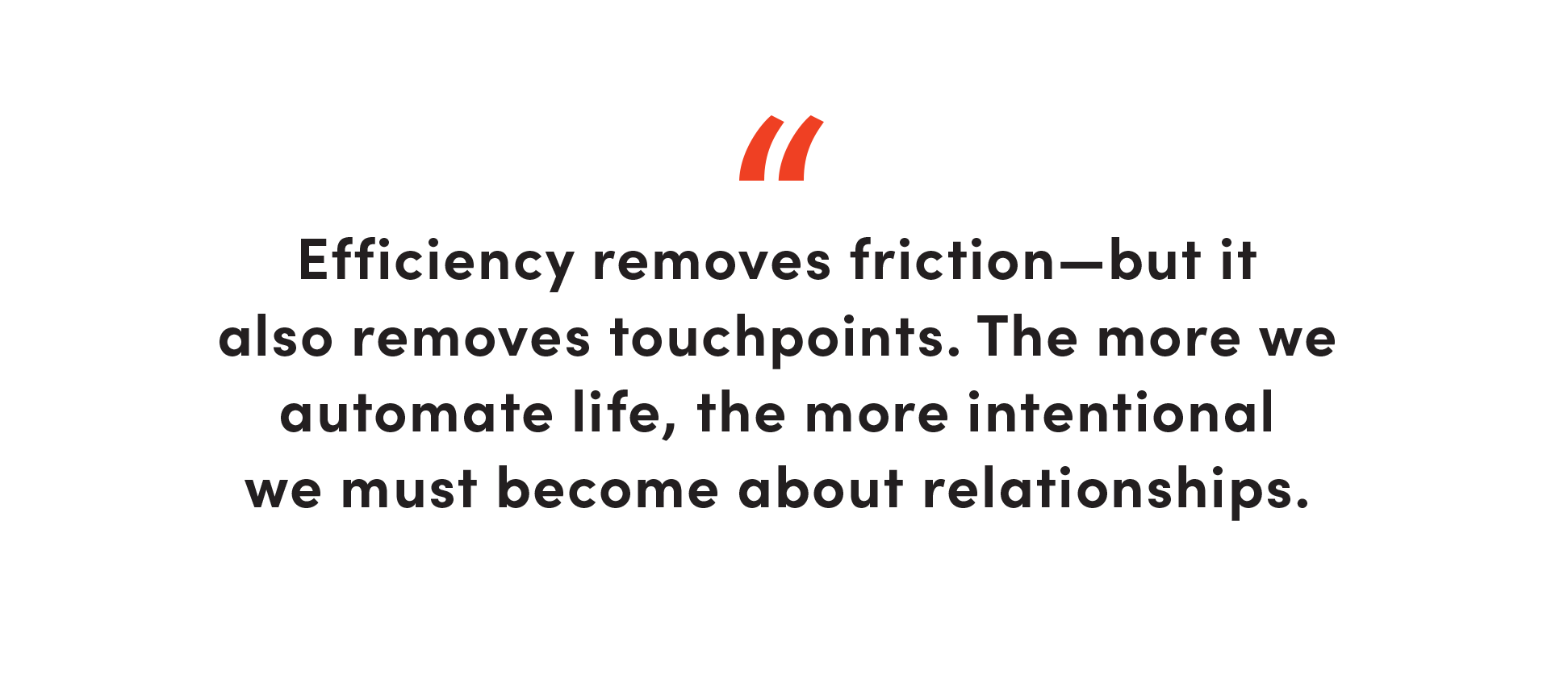
Efficiency removes friction—but it also removes touchpoints. The more we automate life, the more intentional we must become about relationships.

What This Means for Business—and Direct Selling

AI will absolutely replace tasks. It will replace roles. It will redefine productivity. That part is inevitable.

What is not inevitable is losing the human core of business. Direct selling, at its best, has always been built on trust, empathy and connection. Not just transactions—but belonging. Not just customers—but communities. Technology should amplify that—not replace it.

AI excels at:

  • Automating the mundane
  • Organizing complexity
  • Personalizing at scale
  • Managing data, logistics and prediction

Humans excel at:

  • Building trust
  • Demonstrating empathy
  • Creating connection

When companies confuse these roles, they fail. One of the biggest mistakes organizations make is treating AI as a tooling problem instead of a cultural one.

The real questions leaders must answer are not:

  • Which platform should we use?
  • How fast can we deploy?

But:

  • Are we ready for this?
  • Where are the guardrails?
  • What should never be automated?

AI stopped being a technology issue the moment it became universally accessible. Now it’s a leadership issue.

This Is Not the Dot-Com Moment

It’s tempting to frame this as another tech cycle. It’s not. This shift is more profound. For the first time in history, humanity is confronting something potentially more intelligent than itself. We don’t yet know what’s on the other side of that threshold. But we do know what has carried us this far.

Trust.
Empathy.
Connection.

The organizations that learn how to own these human currencies while leveraging AI won’t just survive the future. They’ll define it.

AI will continue to move faster than any of us can keep up with. Tools will change. Platforms will disappear. New systems will emerge. But the leaders who endure will be remembered not for perfect adoption—but for intentional decisions.

The future will not belong to the most automated companies. It will belong to the most human ones.


Check out this week’s bonus episode of the Direct Approach podcast to hear more from Dan Debnam about the Human AI Partnership Era.

Available on your favorite platform! Apple, Spotify, Audible, YouTube


DAN DEBNAM | Founder & CEO of Inovara is a highly sought-after speaker and trusted expert in digital transformation, AI strategy and innovation within the direct selling and network marketing industry and beyond. Known for his engaging style, humor, practical approach and ability to turn complex technologies into actionable strategies, Dan regularly inspires and equips audiences across major direct selling events in the UK, Europe and the USA.

An Online Exclusive from Direct Selling News magazine.

Filed Under: Feature Articles Tagged With: AI, artificial intelligence, Dan Debnam

PM-International Increases Philanthropic Efforts

January 22, 2026 by DSN Staff Writer

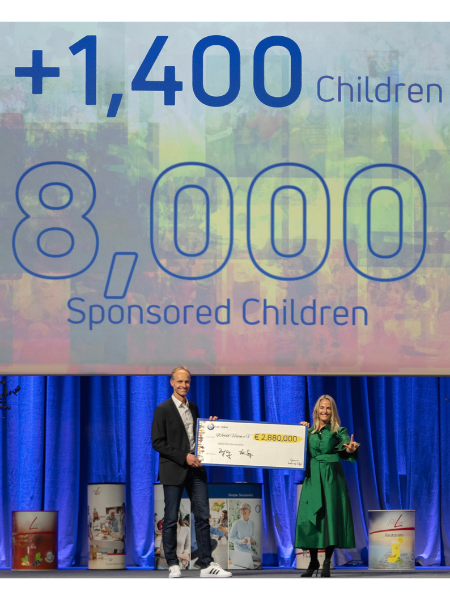
PM-International has increased its support of relief organization WorldVision, raising its number of sponsored children to 8,000. The company stated it will also increase its annual donation to the organization to $3.8 million as a way to strengthen long-term development programs.

PM-International, through its philanthropic arm Foundation PM We Care, has worked with WorldVision for more than two decades and has supported eight community-based projects that improve access to education, healthcare, clean water and income opportunities that help families improve their lives in a sustainable way.

The increase comes at a time when funding for children’s aid has decreased. WorldVision states that government funding cuts and other resources have reduced support by $16.3 billion for vulnerable children around the world.

“We can’t even imagine what these children and their families go through, and how big our impact is for them,” said Vicki Sorg, PM-International Charity Ambassador. “With every FitLine product purchased, our distributors and customers give one hour of life to a sponsored child. Our Team Partners and customers are the strong partners on our side, and we want to continue being the strong partner on World Vision’s side.”

Filed Under: International Tagged With: PM We Care, PM-International, Vicki Sorg

THREE International Hosts 2026 Dallas Pro Leadership Conference

January 22, 2026 by DSN Staff Writer

THREE International welcomed leaders to Forth Worth, Texas for a two-day event filled with leadership development, strategic education and major company announcements. Attendees enjoyed a blend of motivational messaging, business coaching and practical training as they worked to develop strategies for building their businesses. Speakers highlighted the importance of consistency, personal growth and alignment with the company mission.

The event also served as the launchpad for the company’s new GLP THREE™ product, a natural, injection-free solution that fits within the GLP-1 ecosystem. THREE stated that this new product innovation reflects its ongoing commitment to innovation and its “ability to respond to evolving market trends while maintaining a natural, science-backed approach to product development.”

Simplicity was a key theme for the event as the company debuted its Simple Six System, which includes six of the company’s original products designed around a structured framework that simplifies product education and sharing. A new suite of sales tools were introduced that will serve as companions to these new offerings, designed to streamline the business-building process and help THREE ambassadors focus on duplicating their organizations while helping other leaders and supporting their own consistent engagement within the company and with the products.

Filed Under: Daily News Tagged With: event, THREE

Beachbody Executive Chairman Shares Turnaround Plan

January 20, 2026 by DSN Staff Writer

Mark Goldston, the Executive Chairman for Beachbody, now known as BODi, spoke on the Turnaround Podcast at the ICR Conference earlier this month. In his presentation, Goldston outlined the company’s progress and plans for its turnaround, and now says its asset base is stronger than it was even at its $3.2 billion SPAC peak. The company has now posted eight consecutive quarters of positive adjusted EBITDA, generating $13 million in free cash flow and returning to net income profitability. The company posted net-positive income for the first time Q3 2025, a year ahead of schedule.

“I really think we’ve recalibrated our expectations,” Goldston said. “I’ve been here two and a half years. If you go back and look at every earnings call, what we did, what we said we were going to do—we’ve done all of it. So, I think we’ve built credibility. It’s a long game; quick fixes don’t last.”

Goldston called Beachbody’s presence in the direct selling model as “unviable” and expensive. The company exited the channel in December 2024, and Goldston says the move has slowed its decline and eliminated a high-cost revenue engine. Since then, as part of its turnaround plan, the company has dramatically reduced overhead, lowered its breakeven point by 80% and installed discipline in its marketing spend, capital allocation and inventory.

“When I joined, it took $900 million of sales to break-even on a cash basis,” Goldston says. “We’ve got it down to $180 million. We’ve taken the break-even of the company down by $720 million.”

The company is shifting toward micro-cap and retail investors, with Goldston saying they now believe its previous approach was mismatched with its audience. P90X continues to be one of the most recognizable fitness brands and exceeds Beachbody itself, with approximately 62% consumer awareness. With a reintroduction at scale through retail, the company plans to leverage this brand equity in upcoming supplements and will leverage P90X and its household fitness brands, including Shakeology, to extend into energy drinks, supplements and smaller, retail-friendly formats.

To help achieve this, BODi hired the largest retail brokerage firm in the US and has plans to take its offerings multi-channel, through direct-to-consumer, online marketplaces, affiliate sales, brick-and-mortar retail and subscription-based digital sales.

Beachbody also commissioned an independent third-party valuation of its content library, which was estimated to exceed half a billion dollars and roughly 10,000 hours of fitness content. This valuation does not even include brand equity, customer data or future product pipeline options. Goldston believes this standalone content value, in itself, exceeds the company’s public market capitalization—meaning, there could be a disconnect between asset value and investor perception. Add to this, Beachbody has decades’ worth of direct-to-consumer transaction data and millions of known fitness and nutrition buyers, and the company will be able to implement low-cost reactivation campaigns with reduced dependence on costly paid customer acquisition.

GLP-1 medications will also play a role in BODi’s future success, as consumers become focused on trying to avoid the medication’s major side effect, which is a significant loss of lean muscle mass, a problem BODi specializes in preventing.

“We’ve financially turned the company around, Goldston said. “Our cash at $34 million exceeds our debt by $10 million. We’ve lowered our interest expense by 44%. So now we can focus on this innovation pipeline. So now that we’ve got everything really tight and we’ve built all this operating leverage, we can launch these new products. And frankly, the efficiency that we built into the company, if we grow the top line 25% to 30%, we can double our profit. That’s how efficient it’s become. So that’s a true turnaround.”

Filed Under: Daily News Tagged With: Beachbody, BODi, Mark Goldston

  • « Previous Page
  • 1
  • …
  • 31
  • 32
  • 33
  • 34
  • 35
  • …
  • 636
  • Next Page »
brand-logo
The News You Need.
The Name You Trust.
Subscribe

Breaking global news, emerging trends and powerful stories conveniently curated to help direct selling executives stay informed, engaged and a step ahead.

  • Read
  • Listen & Watch
  • Attend
  • Achieve
  • Research
  • About
  • Connect
5717 Legacy Drive
Suite 250
Plano, Texas 75024
info@directsellingnews.com
Copyright 2026 Direct Selling News | All Rights Reserved
  • Privacy Policy
  • Terms of Use
  • Advertise
  • Subscribe
We use cookies on our website to give you the most relevant experience by remembering your preferences and repeat visits. By clicking “Accept All”, you consent to the use of ALL the cookies. However, you may visit "Cookie Settings" to provide a controlled consent.
Cookie SettingsAccept All
Manage consent

Privacy Overview

This website uses cookies to improve your experience while you navigate through the website. Out of these, the cookies that are categorized as necessary are stored on your browser as they are essential for the working of basic functionalities of the website. We also use third-party cookies that help us analyze and understand how you use this website. These cookies will be stored in your browser only with your consent. You also have the option to opt-out of these cookies. But opting out of some of these cookies may affect your browsing experience.
Necessary
Always Enabled
Necessary cookies are absolutely essential for the website to function properly. These cookies ensure basic functionalities and security features of the website, anonymously.
CookieDurationDescription
cookielawinfo-checkbox-analytics11 monthsThis cookie is set by GDPR Cookie Consent plugin. The cookie is used to store the user consent for the cookies in the category "Analytics".
cookielawinfo-checkbox-functional11 monthsThe cookie is set by GDPR cookie consent to record the user consent for the cookies in the category "Functional".
cookielawinfo-checkbox-necessary11 monthsThis cookie is set by GDPR Cookie Consent plugin. The cookies is used to store the user consent for the cookies in the category "Necessary".
cookielawinfo-checkbox-others11 monthsThis cookie is set by GDPR Cookie Consent plugin. The cookie is used to store the user consent for the cookies in the category "Other.
cookielawinfo-checkbox-performance11 monthsThis cookie is set by GDPR Cookie Consent plugin. The cookie is used to store the user consent for the cookies in the category "Performance".
viewed_cookie_policy11 monthsThe cookie is set by the GDPR Cookie Consent plugin and is used to store whether or not user has consented to the use of cookies. It does not store any personal data.
Functional
Functional cookies help to perform certain functionalities like sharing the content of the website on social media platforms, collect feedbacks, and other third-party features.
Performance
Performance cookies are used to understand and analyze the key performance indexes of the website which helps in delivering a better user experience for the visitors.
Analytics
Analytical cookies are used to understand how visitors interact with the website. These cookies help provide information on metrics the number of visitors, bounce rate, traffic source, etc.
Advertisement
Advertisement cookies are used to provide visitors with relevant ads and marketing campaigns. These cookies track visitors across websites and collect information to provide customized ads.
Others
Other uncategorized cookies are those that are being analyzed and have not been classified into a category as yet.
SAVE & ACCEPT