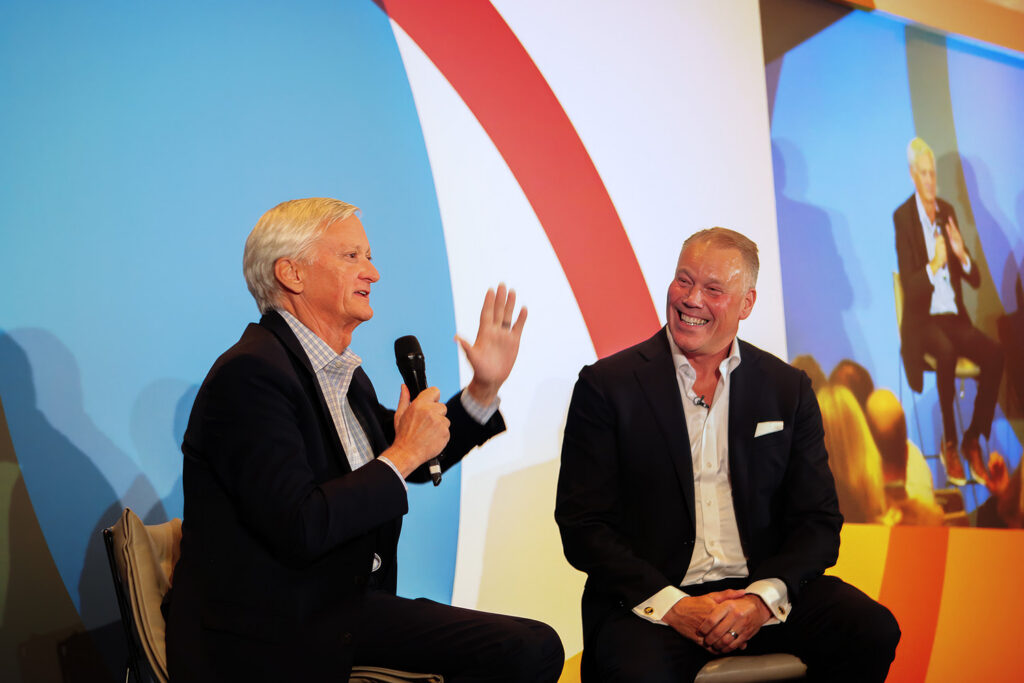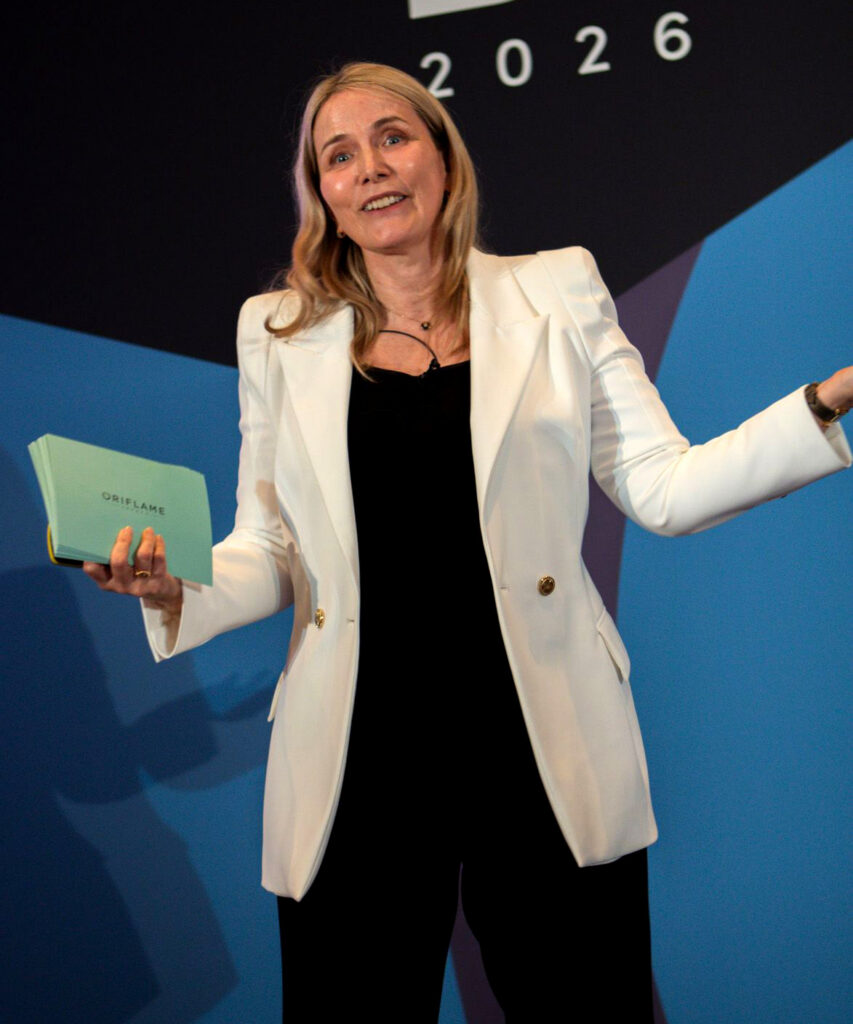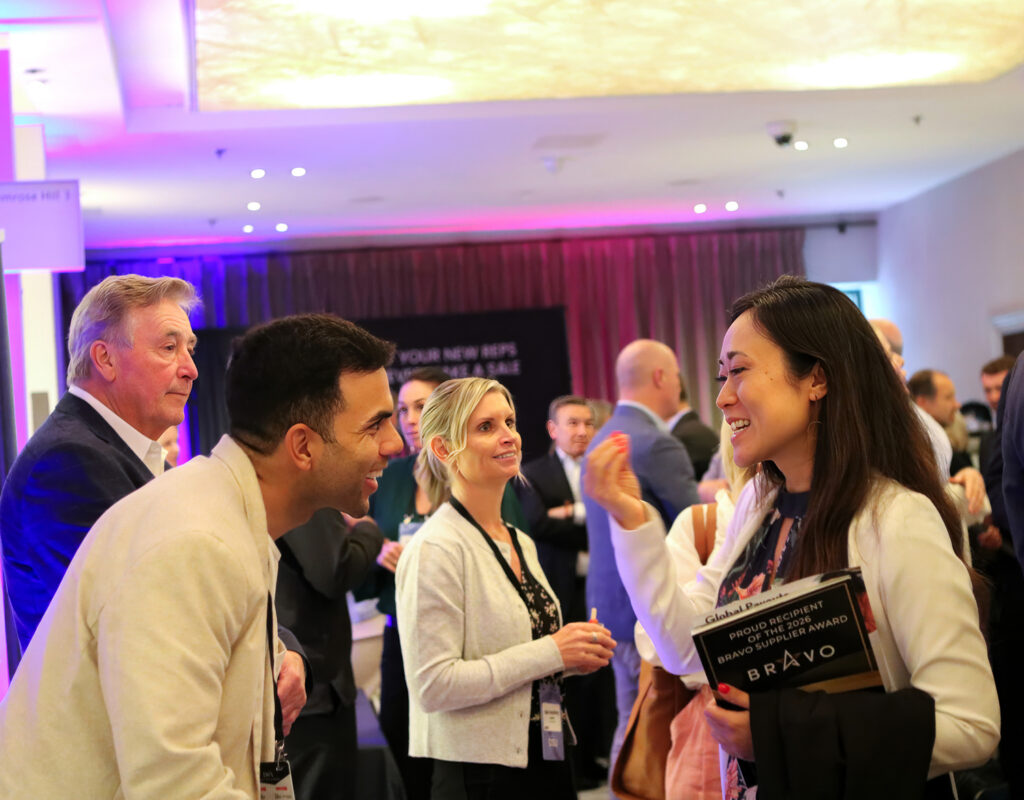
Oriflame announced its recapitalization transaction was successfully executed. With this completed, the company now has the opportunity to restructure is debt and capital structure. New financing terms, which include updated loan and bond arrangements, will now be in place, which Oriflame believes will strengthen its balance sheet and support its long-term operations.
Greenway Global Announces Major Ecological Goals
Greenway Global debuted its multi-dimensional environmental commitment, what it is calling “Ecology Cubed.” This concept is based on three pillars: home ecology, human ecology and planet ecology.
The company, through its philanthropic arm The Greenway Foundation, already supports or leads more than a dozen projects engaged with conservation, wildlife protection, waste collection and large-scale recycling. As part of Ecology Cubed, it will now focus on five new environmental commitments, which it is pledging to complete by 2034. These initiatives include:
- Planting 5 million trees as part of global reforestation efforts
- Recycling collections from supply chains, communities and protected natural areas
- Achieving 100% carbon neutrality across all business-related operations
- Designing and implementing 100% recyclable and reusable packaging for every product after first use
- Investing more than $10 million in nature conservation initiatives through its foundation and ecological programs.
“Ecology³ is more than a concept—it is a philosophy guiding every decision we make,” said Dany Laroque, Greenway Global Vice President & Co-Founder. “By improving the ecology of homes, human relationships, and the planet, we believe we can create lasting change in society. Every project we launch, every tree we plant, every conservation effort we support proves that global change is possible when vision is shared and purposeful.”
Greenway Global reported $383 million in 2024 revenue and stated that preliminary data shows that the first three quarters of 2025 demonstrate upward momentum.
“Our third-quarter results confirm the strength of our model and the relevance of our global vision,” said Svetlana Semenova, Greenway Global CEO. “Greenway Global is committed to proving that a rapidly growing international company can remain profoundly respectful of the planet. Environmental responsibility is not an accessory to our work—it is our identity. We move toward 2025 with confidence, strengthened by our global presence and long-term ecological commitments.”
BODi Launches Microdose Fitness
BODi, formerly known as The Beachbody Company, announced its new “10 Minute BODi.” The program’s ten-minute workouts are available through its new Microdose Fitness subscription that includes more than 400 workout variations designed to empower people of all fitness levels.
These shorter workouts are built on four new Microdose Fitness programs designed around a four-week training cycle and include “10-Minute Beginner,” “10-Minute Focus,” “10-Minute Muscle” and “10-Minute Cycle.” Microdose Fitness, or short-duration exercise that is moderate to vigorous, was analyzed in a study recently published in JAMA Internal Medicine and illustrated that more than 100,000 deaths of US adults ages 40 to 85 could be prevented if they added ten minutes of moderate to vigorous exercise per day. BODi pointed to additional studies that cite this type of workout could reduce the risk of cardiovascular disease, cancer and dementia.
“The world doesn’t need more guilt about not exercising. What it needs is a realistic solution based on the latest science,” said Carl Daikeler, BODi Co-founder and CEO. “Microdose Fitness is the answer – not just to the time problem, but also the intimidation, discomfort, expense and inconvenience of the conventional fitness industry. ‘10 Minute BODi’ is the first comprehensive initiative to make all these health benefits available in short ten-minute sessions so the rest of the world can participate and actually get the benefits.”
The Microdose Fitness subscription is $10 per month, with a ten-day free trial. Access to BODi’s entire library, which includes 140 structured step-by-step programs and 8,000 workouts, is available for $19 per month.
“‘10 Minute BODi’ will unlock the scale of impact we’ve been working toward for nearly three decades,” Daikeler said. “When people who currently don’t exercise realize that just 10 minutes can lower their risk of disease, increase their energy and strengthen their body, we will make life-changing consistency accessible to millions of people. That’s the real breakthrough.”
The Future of Direct Selling
Why smarter pay-ins and pay-outs are key to growth.
Listen to this story starting at 27:20 on the new, revamped The DSN Podcast. Even when your day is packed, we make it easy to stay informed, engaged and one step ahead. Listen now or read below!
The direct selling industry has always thrived on transformation. Technology has reshaped how distributors connect with customers; how products are marketed; and how businesses expand across borders. Asia, in particular, has become the proving ground for digital-first models, where mobile adoption and financial innovation move faster than anywhere else.
But as the industry modernizes, one critical element has often been overlooked: payments. Too often treated as a back-office function, pay-ins and pay-outs are now central to growth, trust and competitive differentiation. Companies that rethink payments not as operations but as strategy will lead the next chapter of direct selling.

Pay-ins: The Growth Engine
At the heart of direct selling is a simple moment: the customer purchase. Yet too many companies still rely on outdated, one-size-fits-all payment methods that don’t reflect local realities. For today’s consumers, paying for products should be effortless, seamless and aligned with their everyday financial habits.
- Meeting Consumers Where They Are
Across Asia, digital wallets have become embedded in daily life. Solutions like Alipay, WeChat Pay, GrabPay, GCash and Paytm aren’t just alternatives to banks—they are the bank for millions. Similar stories are unfolding in markets from India where UPI has become ubiquitous, to Latin America where localized vouchers and wallet systems are driving inclusion.
Direct selling companies that align with these preferences see immediate benefits. Customers complete more transactions, abandon fewer carts and return more often. Distributors gain confidence when their customers can buy easily without friction or failed payments.
- More Than Transactions
A smooth payment experience is more than a sale—it’s a signal of trust. Each successful payment builds credibility for both the company and the distributor. Over time, this trust compounds into stronger relationships, deeper engagement and faster expansion into new markets.
Pay-outs: Retention and Trust
If pay-ins fuel sales, pay-outs fuel loyalty. For millions of distributors, commissions are not a bonus—they are an essential part of household income. How quickly and reliably those earnings arrive determines not only satisfaction but long-term engagement.
- Speed and Accessibility
Gone are the days when waiting three to five business days for a bank transfer felt normal. Distributors now expect earnings to arrive as quickly as they make a sale. Instant or same-day pay-outs create confidence, while delays erode trust.
Just as with pay-ins, localization matters. Wallet-based pay-outs, increasingly common in Asia and other high-adoption regions, give distributors immediate access to their funds for everyday use—whether that’s paying bills, buying essentials or reinvesting into products.
- Stability Through Compliance
Cross-border pay-outs are complex. Companies must navigate varying regulations while delivering transparency and consistency. Those that do this well send a clear message: your earnings are safe here. That stability fosters stronger distributor relationships and protects the business from unnecessary risk.

Smarter Payments, Smarter Operations
The benefits of rethinking pay-ins and pay-outs extend beyond the field. Payment fragmentation—managing multiple providers across geographies—creates inefficiency, compliance risk and added cost.
A unified approach solves this. Streamlined systems reduce reconciliation challenges, free up technology resources and ensure companies can scale without adding unnecessary complexity. This isn’t just operational efficiency—it’s strategic clarity.
It also creates a foundation for innovation. Emerging models like Buy Now, Pay Later (BNPL) are already reshaping how consumers purchase, while embedded finance and wallet-linked loyalty programs are beginning to transform customer journeys. The companies ready to capitalize on these opportunities will be those that have already invested in modern, flexible payment infrastructure.
Looking Ahead
Asia remains the world’s laboratory for payments innovation, but other regions are quickly becoming fertile ground. Latin America, for example, offers diverse local solutions and a regulatory climate that allows for creative experimentation. For direct selling companies with global ambitions, it represents an exciting next frontier.
Ultimately, the companies that will define the future of direct selling are those that treat payments not as transactions, but as relationships. Pay-ins that reflect local habits build customer confidence. Pay-outs that are fast, compliant and accessible reinforce distributor trust. Unified systems that simplify operations and enable innovation unlock sustainable growth.
A Frictionless Future
The future of direct selling will be defined not only by how companies market their products or motivate their distributors, but by how seamlessly they manage the flow of money. Pay-ins and pay-outs—once treated as operational details—have become the foundation of trust, engagement and long-term growth.
Organizations that simplify complexity and embrace localized, compliant and efficient payment solutions will be the ones that thrive. Those that fail to adapt risk leaving both their customers and distributors behind.
Payments are no longer background processes; they are strategic levers of success. For direct selling companies ready to elevate trust, accelerate sales and expand across borders, the path forward is clear. The industry leaders of tomorrow will be those who harmonize pay-ins and pay-outs today.
And for those ready to take that step, the time to lead is now.

JINHUA HOU, Head of Direct Sales Payment at Citcon, has over 10 years of cross-border direct sales experience across China and the United States, with expertise in payments, logistics, development of local Chinese distributor networks and government relations.
From the November/December 2025 issue of Direct Selling News magazine.
Nu Skin Debuts Prysm iO Device
Nu Skin Enterprises Inc. debuted Prysm iO, its new intelligent nutritional wellness device and platform designed to deliver insights about health and wellness. Through advanced skin-scanning technology, Prysm iO tracks and measures user’s carotenoid levels, key antioxidants for combatting oxidative stress in the body. In 15 seconds, the device offers real data without the complications of lab visits or invasive testing.
The device draws from two decades of carotenoid science and incorporates patent-pending Spectral Rai Technology, which captures more than 70,000 hyperspectral absorption measurements (6,000+ per second) per scan. Prysm iO’s proprietary AI-powered algorithm converts that data into a personalized Prysm Score and then tailors feedback for users. The companion AI-powered app then offers insights into four key wellness categories: diet, fitness, lifestyle and supplementation.
Used regularly, the device can track progress over time and help users make adjustments to create better wellness outcomes.
“Prysm iO isn’t just a device, it’s a shift toward intelligent, personalized wellness,” said Ryan Napierski, Nu Skin President and CEO. “People are investing significant time, effort and money into their health but still asking, ‘Is what I’m doing actually working?’ Prysm iO gives them clear, real-time insights backed by science so they can make informed choices that support their goals. We’re giving people clearer insights into their health so they can make more informed choices and move forward with confidence.”
Prysm iO is also backed by Nu Skin’s recent randomized, double-blind, placebo-controlled study of 46 healthy adults that showed participants taking targeted supplements experienced a 44% increase in serum vitamin C levels and 26% increase in serum selenium levels. Skin carotenoid levels for participants increased 43%-46% after 12 weeks (as measured by the S3 and Prysm iO prototype).
A full customer launch is scheduled for mid-2026, and is already available for qualified Nu Skin brand representatives.
Partner.Co Wins Marketing Team of the Year Award
Partner.Co was honored with seven awards at the Globee Awards for Business. This year, Partner.Co’s honors included:
- Gold – Strategic Leaders of the Year
The company was honored for year-over-year revenue growth and substantial regional expansion that brought record-breaking numbers of new customers to the brand worldwide. - Gold – Marketing Team of the Year
In 2025, the team launched nine major products during PXP’25, including a comprehensive ecosystem of assets, sales sheets, launch videos, social campaigns, push notifications and internal training materials – all localized in the region’s native language. - Gold – Social Media Content Achievement | Max2O Social Media Series
“I couldn’t be prouder of this team,” said Mark Patterson, Partner.Co Chief Marketing Officer. “Every time we think we’ve hit our limit, someone says, ‘What if we made it bigger?’ — and then we actually do it. We’re not slowing down anytime soon. Our Brand Partners deserve our best, and we’re going to keep raising the bar so they can keep winning.”
- Silver – Achievement in Profit | Partner.Co EMEA Team Promotions
The team delivered record-breaking profits and a “Golden Week” during which its promotions broke previous sales records by what the company calls “extraordinary amounts.” - Silver – Video Content Achievement | Introducing Max2O Electrolyte Enhancer
The video transformed a hydration video into a call to action. - Silver – Global Marketing Campaign | PXP’25 Marketing Campaign
The marketing team produced Partner.Co’s “most ambitious and successful global event series to date” with a marketing campaign to match. - Silver – Informative Video Achievement | Introducing EverGlow Foundational Beauty Drink
The EverGlow Reveal Video was both educational and a storytelling piece that blended clinical data with ingredient science.
“Last year, we talked about Partner.Co’s phenomenal growth worldwide,” said Darren Zobrist, Partner.Co Founder and CEO. “I’m thrilled to be able to come back at the end of this year and, again, be proud of what we’ve been able to accomplish on that front — continued growth, more strategic bonds between leadership and the field and an even stronger passion for helping people around the world.”
The New Economy
A conversation with John Fleming on freedom, flexibility and the future of work.
For decades, John T. Fleming has been one of the most influential thinkers in direct selling—an author, researcher, strategist and passionate advocate for the power of enterprise to change lives. His earlier landmark work, Ultimate Gig, helped the channel understand the rapidly expanding gig economy and the shift toward flexible, self-directed work.
Recently, John released his latest book—NEW ECONOMY—a sweeping, research-backed exploration of how work, choice and opportunity have transformed since 2018. The book examines millions of people moving toward independent work; the rise of multi-gig earners; the redefinition of employment; and the foundational role direct selling can play in this new era.
I sat down with John to talk about what motivated NEW ECONOMY, what he discovered and what direct selling companies might benefit from as they navigate—and lead—in this evolving landscape.
You’ve written extensively about the gig economy over the years. What inspired you to write NEW ECONOMY now?
The motivation came from a growing realization that something much bigger than the gig economy was unfolding. For years, I’ve spent countless hours reading, studying and gathering data—never for entertainment, always for learning. Eventually, the reservoir of insight became too deep not to share.
When I worked with our research team beginning in 2018, leading to Ultimate Gig, I learned far more than I could ever give back. We approached that project academically, and it introduced many to the idea that work could be defined differently—by freedom, flexibility and personal choice.

But the world changed dramatically in the years that followed. Technology accelerated; worker expectations shifted; and participation soared. At the end of 2024, more than 70 million people were estimated to be involved in gig or independent work, and projections show more than 100 million will participate by 2027.
At some point during the past six months, it felt like the insights were overflowing. I wanted to consolidate what we now know, provide evidence, stimulate thinking and help people see that we are inventing something entirely new—not just a new way to work, but a new economy.
You say we’re inventing a new economy. What do you mean by that?
We are entering an era where the worker owns a portion of the work. That is a profound shift.
In the traditional model, a company defined how, when and where work was done. The worker had little control. But now, through technology and decentralized structures, independent contractors are becoming independent entrepreneurs. They choose when they work. They choose how they work. And increasingly, the choices made relative to work are multiple, not singular.
We’ve removed many of the obstacles that once constrained people. There are no more geographical limitations. No more time-zone barriers. We can conduct business globally from our phones. We can talk to two people or twenty as easily as we used to talk to one. All of this enables people to design their own work, often blending traditional employment with multiple income streams.
This ability to choose—to design one’s own work—creates what I describe as uncommon freedom. And when freedom becomes possible, people rarely give it up.
What were some of the most surprising insights you uncovered as you researched this transition?
One major insight was the sheer diversity of independent workers. There is no average gig worker—that’s a myth. People participate in the new economy for vastly different reasons: supplemental income, lifestyle freedom, creative expression, autonomy or simply to feel more in control of their future. Because motivations differ, levels of satisfaction also differ. Trying to assess through averages is misleading, especially averages that attempt to use income as a metric.

Another key insight is the scale of adoption across age groups. Many assume this movement is youth-driven. But the fastest growing segment of workers today is actually people 60 and older, who want control, continued relevance and flexible ways to supplement retirement. For many, retirement is not possible in the same manner that it may have been viewed 50 years ago. Younger generations, of course, also find flexible work to be natural—many are puzzled that work was ever defined as a physical location tied to fixed hours.
Finally, the growth rate surprised even me. When we first began studying the gig economy, participation was around 50 million. Today it’s approximately 70 million. Soon it will pass 100 million. That kind of acceleration reshapes labor markets, consumer expectations and business models.
How did your personal learning process shape the way NEW ECONOMY is written?
I believe deeply in the value of stepping outside the jar—a metaphor I use often. When we’re inside the jar, we can’t read the label. We don’t see ourselves clearly. We don’t see the outside environment clearly. So, I made a conscious decision in 2019 to climb outside the jar and study the gig economy with fresh eyes. That perspective is what enabled the writing of Ultimate Gig, and ultimately this new work.
The purpose of NEW ECONOMY is threefold:
- Provide enough stats and facts to support any assertions.
- Stimulate thinking through new perspectives.
- Activate the audience—encourage them to feel proud of what they’re doing or to start something new if they’re not yet participating in this economy.
I wanted this to be a book that makes people think differently about possibility.
You dedicate an entire chapter to direct selling. Why did you feel it was important to highlight this channel?
Because direct selling is unique—and uniquely aligned with the principles of the new economy.
It is one of the few models where the individual can truly own a piece of the work. The company provides the brand, the marketing, the product, the infrastructure. The direct seller provides the relationship. And that relationship adds tremendous value—value that traditional retail cannot replicate.
Direct sellers benefit not just from a single transaction, but from the lifetime value of customers they acquire, serve and retain. They also benefit when they influence others who choose to become direct sellers. This ability to build residual value is powerful. It is rare. And it is why we recommend direct selling as a preferred pathway within the broader new economy—not the only path, but a uniquely compelling one.
In many ways, direct selling was the original gig. But in this era, the opportunity is even greater.
Given the explosive growth of independent work, what does market share look like for direct selling?
If we look at participants—not retail sales—we can compare apples to apples. The US has about seven million direct selling participants. The gig economy has about 70 million. That’s a 10 percent market share.
Imagine if we increased that to 12 percent…15 percent…even 20 percent. The growth opportunities for the channel would be extraordinary.
But to earn that growth, we must be clear about who we are, how we operate and the value we deliver. Residual income, personal relationships, low cost of entry, flexibility, skill development, community—these advantages are significant. When communicated well, they position direct selling not as an alternative to employment, but as a meaningful component of an individual’s portfolio of work.
You’ve often emphasized customer acquisition and retention as essential. How does that connect to the new economy?
In any business model, there is no sustainable income without customers. That is as true for McDonald’s as it is for direct selling. McDonald’s counts burgers. We must count customers.
One of the most exciting opportunities in today’s marketplace is the shift toward personalized commerce—consumers buying from or because of the influence of someone they know and trust. Direct selling is perfectly positioned for that shift. But it requires disciplined focus on delivering value to customers and maintaining the relationship—not just completing the first transaction.
If we embrace simplicity, clarity and transparency—especially around how customers benefit—we not only remain competitive, we become a preferred model.
You’ve said that simplicity is a strategy. What does that mean for direct selling companies?
It means we must design our businesses so simply that people immediately understand them.

We live in a world with shortened attention spans, endless noise and constant distraction. If a compensation plan, onboarding process or customer experience feels complicated, people will not lean in—they will leave. In this economy, simplicity is the new gold standard.
Yet simplicity is incredibly difficult to create. It requires discipline, constant refinement and a willingness to remove rather than add. But the companies that master simplicity will win.
Another major theme in your research is that many independent workers engage in multiple gigs at once. What are the implications for our channel?
This is one of the most important mindset shifts for direct selling leadership.
Historically, some companies imposed restrictions—non-competes, exclusivity expectations, limits on outside activity. But the world has changed. It is contradictory to call someone an independent contractor while restricting how independent they are allowed to be.
People today value brand flexibility, not brand monogamy. They piece together income streams that match their goals. The question for us is not, “How do we keep people from engaging elsewhere?” but rather, “How do we become their preferred choice?”
That requires confidence in our brand, our opportunity and the value we provide. And it requires honoring freedom of choice—the very foundation of the new economy.
What do you believe is the single most important thing direct selling companies can benefit from in the new economy?
Success starts with thinking. Our thinking is enhanced when supported by good research and subsequent study. Too often, we try to solve a problem before fully understanding it. When we pause, observe the environment/the real situation, honestly examine the current situation of the business and then make decisions with clarity and intention, we increase the probability that we will succeed with the new decisions that we make.
The new economy is full of new possibilities to leverage the opportunity to benefit from relationships formed with both customers and partners attracted to direct selling companies. Direct sellers actually own a share of this relationship. This opportunity can be the competitive advantage that direct selling companies can emphasize. Direct selling, typically, does not stop with a transaction. As I have stated before; the opportunity to influence and own (via commissions) a portion of the relationship is most unique with direct selling models.
Over my many years of participation, observation, serving the direct selling business model directly and indirectly, the direct selling business model is in the best position that it has ever been, to become a preferred choice in the new economy…certainly from this perspective!
Q&A with Mauricio Domenzain, Immunotec CEO
Listen to this story on the new, revamped The DSN Podcast. Even when your day is packed, we make it easy to stay informed, engaged and one step ahead. Listen now or read below!
Recently, Direct Selling News had the opportunity to speak with Mauricio Domenzain, CEO at Immunotec. We explored his start with Immunotec, their momentum, thriving culture and what’s on the horizon.
You were just 38 when you took ownership of Immunotec in 2017, a turning point that sparked its largest wave of global growth. How did you first come across the company, and what ultimately convinced you to step in and lead it?
I had nearly 20 years in sales and a strong career in the industry prior. When I had the opportunity to step into Immunotec, what I saw was extraordinary: the most clinically validated product in wellness, backed by decades of research, extraordinary leadership. But this was a company that had been too cautious—too risk-averse—to fully realize its potential.
It was clear we needed to modernize, take thoughtful risks and make big investments to give our Consultants the tools and infrastructure they deserved. I believed Immunotec could—and should—be the best.
When you look back, what moments convinced you that Immunotec was a once-in-a-lifetime opportunity?

Products come and go in this industry, but very few stand the test of science. For me, the turning point was realizing that Immunocal isn’t just another supplement—it was the only product of its kind, backed by decades of clinical research and protected by patents around the world. When I saw Immunocal featured in the Physicians’ Desk Reference and the Compendium of Pharmaceuticals—a milestone very few natural products ever achieve. I knew this company had something extraordinary. But what truly moved me was witnessing the difference it makes in people’s lives. The countless stories of individuals who regained their strength; parents who felt hope again for their families’ health; and people who were able to live fuller, happier lives because of it.
It’s why I take it every day, and why my children do too—because I believe in giving the body exactly what it needs, nothing more and nothing less.
When you see something this pure, this powerful and this life-changing, you realize you’re not just building a business—you’re building a legacy that touches hearts and transforms lives. That’s when I knew Immunotec was a once-in-a-lifetime opportunity.
Immunotec just returned from its La Vida Global Incentive Trip—a cruise that brought together thousands of Consultants from across the world. What was that experience like, and what does it say about where Immunotec is today?
It was one of the most extraordinary moments in our company’s history. More than 2,000 Immunotec Consultants from around the world boarded a private cruise ship reserved entirely for our community.
Everywhere you looked, there was energy and joy. We had talent competitions, trivia games, product masterclasses, pickleball tournaments and team-building icebreakers—all designed to celebrate and connect with our people. It was electric.

For me, La Vida perfectly captured who we are as a company. We’re a community powered by happiness. We don’t just reward success, we celebrate life.
And that’s what makes Immunotec so unique: the connection, the belief, the sense of belonging that our Consultants feel when they’re part of something bigger than themselves.
That sense of connection also seems reflected in your recent leadership moves, including the appointment of Mike Potillo as President. What does this mean for Immunotec’s next chapter?
Mike’s appointment is an exciting milestone. He brings decades of experience in the channel and a deep understanding of field dynamics. As President, he’ll play a key role in strengthening partnerships with our leaders and helping us build an even stronger infrastructure for our next chapter of expansion.
Together, we’re focusing on science, purpose and people in equal measure—making sure our momentum is sustainable worldwide.
Immunotec also recently announced the appointment of two Heads of Business Development for North America. Why did you choose this dual-leadership model?
This was a very intentional decision. The US is a cornerstone of our growth strategy, and we knew accelerating here required innovation not just in products but in leadership to help us scale faster, strengthen field support and connect with the next generation of entrepreneurs.
What makes this leadership move significant for the US market specifically?
North America holds a significant share of the direct selling market, accounting for 32 percent of the market share last year alone. To succeed here, you can’t rely on the status quo. You need bold leadership, innovative systems and a relentless focus on consultant and consumer trends. This new model along with our $30+ million investments into manufacturing and tech shows our commitment—we’re here to invest in our people and expand our reach.
You’ve often spoken about trust being central to leadership. How does that influence decisions like this one?
In this business, the most important thing people give us is their trust. Consultants are not just joining a company; they’re joining the leader who invited them. Our job as a company is to protect that trust—by removing barriers, being transparent and equipping people with the very best tools, products and culture to grow their teams and businesses.
Immunotec is known for powerful events— from global conventions to a full private cruise for thousands of Consultants. Why are these moments so important?
Our commitment goes beyond products. We’ve built a company that supports happiness and growth for everyone, one life at a time. It’s that approach that has helped Immunotec thrive, growing by 38 percent in new recruits and 89 percent in customer growth in 2024 alone. Events are where connection and fun are built. You can’t replicate the energy of being in a room—or even on a ship sailing across four countries—with thousands of people who share the same vision. It shows Consultants they’re part of something much bigger than themselves. These moments create lifelong belief in the brand, the community and what’s possible.

You’ve also launched the ImmunoKids Foundation. What does that legacy mean to you?
It’s a reminder that success isn’t only measured in sales—it’s measured in impact. With ImmunoKids, we support immunocompromised children and their families. For me, that’s the kind of legacy that lasts, and it reflects our purpose-driven approach. We’re here to improve lives in every sense.
You’ve spoken often about happiness as part of your mission. Why happiness?
Happiness is a choice, and it’s the foundation of everything we do. When people are happy, they’re more creative, more resilient, more engaged.
Our products help people feel better physically, but our culture helps them feel fulfilled. For me, success is when Consultants and customers say: I feel healthier, and I’m happier. That’s what Immunotec is about!
From the November/December 2025 issue of Direct Selling News magazine.
Oriflame Invests in Indonesian Film as Part of APAC Strategy
Oriflame has made a financial investment in the upcoming film Four Seasons in Java, by Indonesian director Kamila Andini, as part of its 2026 APAC marketing strategy. The company stated its role as a Brand Sponsor for the film is a way to continue deepening its culturally relevant partnerships, and that Andini’s film, which explores themes of resilience, hope and community values, aligns and reflects its own beliefs and mission.
“Our partnership with Four Seasons in Java is a natural extension of Oriflame’s mission to help support hidden entrepreneurial talent across the world,” said Elena Degtyareva, Oriflame Chief Marketing Officer. “Through this collaboration, we hope the way the movie portrays women standing by each other and navigating different ‘seasons’ of life will mirror how our community of Oriflame Beauty Entrepreneurs grows as they support one another.”
Oriflame plans to leverage this partnership to “step beyond the beauty space and champion local stories that reflect real lives, dreams and struggles,” and will co-create supporting content with the film team, including Q&A’s, behind-the-scenes looks, special screenings, post-film discussions and other activations and experiences that connect the film and its message to the lived experiences of Oriflame entrepreneurs.
“At Oriflame, we believe in Togetherness, Spirit and Passion – values we see beautifully reflected in Kamila Andini’s Four Seasons in Java,” said Fredrik Nilsson, General Manager of Oriflame Indonesia. “By investing in and supporting this film, we want to give a bigger stage to authentic Indonesian stories and to the entrepreneurial spirit, which is shaping our creative and beauty industries, season after season.”
Oriflame Secures Bondholder Consent for Recapitalization
Oriflame announced that it has successfully obtained the necessary number of bondholder consents to approve amendments to its outstanding debt as part of its recapitalization plan.
The company worked throughout 2025 to strengthen its balance sheet and reduce its debt burden and now has the possibility to execute changes of its terms to improve its finances.
USANA Probiotic Supplement Earns ConsumerLab.com Seal of Approval

USANA announced that its Probiotic digestive support supplement has received the ConsumerLab.com Seal of Approval. To earn this certification, the supplement went through independent testing to verify potency, purity, viability, contaminant testing and label accuracy and was required to prove its ability to deliver its stated levels of live, active bacterial strains.
USANA’s probiotic is formulated with Lactobacillus rhamnosus GG (LGG) and Bifidobacterium BB-12 to support natural immune defenses, digestive comfort, beneficial gut flora and nutrient metabolism, and was designed with what USANA calls “survivability and stability technology” to ensure bacteria remain viable through manufacturing, storage and digestion.
“This certification is a powerful validation of the standards we hold ourselves to,” said Brent Neidig, USANA Chief Commercial Officer. “We are dedicated to providing our Brand Partners and customers with premium, high-quality products they can trust. We’re proud to offer a probiotic supplement that empowers individuals to take control of their gut health with confidence.”
LifeWave Welcomes 2,000 Guests to Convention in Taipei
At its Share the Light Taiwan-Hong Kong-Macau Annual Recognition Conference, LifeWave celebrated 17 years of growth and market development in Taiwan. Approximately 2,000 Brand Partners and guests attended the event that included a large-scale indoor drone performance.
The focus of the event highlighted five key elements of LifeWave’s strategic vision, including technology, system enhancement, market insights, sports application and an extension of the Share the Light initiative. The company shared development progress for its light-based wellness technology and ongoing research as it continues its commitment to innovation in health technology and global expansion.
Since the launch of its Compensation 2.0 plan, the Taiwan-Hong Kong-Macau region has become one of the leading markets in the Asia-Pacific region for advancement activity. The number of partners receiving bonuses in this market has increased by approximately 40% across the first seven weeks of its rollout, and LifeWave shared that more than 3,000 partners achieved rank advancements during this time, stating that “the latest system optimization focuses on transparency, competitiveness and growth momentum, helping partners gain greater clarity in managing their business rhythm.”
LifeWave’s Share the Light initiative will continue to partner with SimplyICR to launch a limited edition of 1,000 charity gift boxes which will benefit art education funding and creative resources for Simply ICR students. The sum total of these strategies and the collaborative efforts across the Asia-Pacific region has given the company what it is calling “unlimited vision.”
“Share the Light represents our willingness to bring light to others, while ‘Unlimited’ reflects our commitment to openness, forward-thinking and courage as we look to the future,” said Scarlett Su, General Manager of LifeWave Taiwan–Hong Kong–Macau. “With a broader global perspective, we will continue expanding LifeWave’s impact—illuminating markets, partners, communities and every possibility worth being seen.”
- « Previous Page
- 1
- …
- 11
- 12
- 13
- 14
- 15
- …
- 612
- Next Page »