



The Federal Trade Commission’s April vote to approve a final rule banning noncompete clauses received swift and significant pushback from corporations who deemed the agreements necessary to their operations.

At a time when legislative gridlock in Congress means fewer regulations created by statute as well as increasing incidents of regulatory rule interpretation and expansion, direct selling companies are wise to step up or step into government affairs and advocacy at this time in order to proactively protect themselves. After all, once the Federal Trade Commission comes knocking, it really is too late.

In recognition of its successful defense of Neora in an epic victory against the Federal Trade Commission (FTC), the inaugural winner of the new Bravo Supplier Award is Foley & Lardner. Foley is not new to the industry. It has been representing direct selling companies for over 40 years.

To better understand the significance of this drastic revenue increase and the growth patterns that surround it, Direct Selling News analyzed the financial trajectory of the top 100 direct selling companies in North America with at least $50 Million in annual revenue, and three international direct selling companies with at least $50 Million in North American revenue.
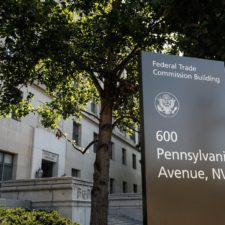
The Federal Trade Commission voted to approve a final rule banning noncompetes nationwide. The commission expects the ban will promote more than 8,500 new startups each year, boost worker wages and innovation, and will protect “the fundamental freedom of workers to change jobs.”
The Federal Trade commission will host an open meeting on April 23 to vote on a proposed final rule that would prevent the enforcement of noncompete agreements by employers.

Compliance has long been considered an obligation, much like taxes and insurance, but there is power in building a company culture that reinforces and emphasizes compliance. A healthy compliance strategy shields companies from legal and regulatory offenses; reduces the prevalence of damaging and false information online; and prevents rogue sellers.
The Federal Trade Commission issued a letter to the Direct Selling Association to restate its position on the interpretation of the Koscot test. The letter was sent by Lois Greisman, Associate Director, who expressed concern about a 2004 FTC letter that addressed the commission’s stance on compensation based on personal consumption.
In early October of this year, Neora emerged victorious from its almost seven-year battle with the Federal Trade Commission. The judge overseeing the case ruled that the FTC’s allegations against the company are invalid. As of this week, the deadline for submitting a notice of appeal has now passed, solidifying Neora’s victory and the new legal precedent their case now presents.
In a ruling that will surely be referred to as the new legal precedent, Neora has emerged victorious from its lengthy battle with the Federal Trade Commission. After seven years of investigation, four years of litigation and three years of negotiations, during which the FTC insisted on a nearly complete erasure of the company’s multilevel marketing structure, the court has rejected all of the FTC’s claims against Neora.
The Direct Selling Association released a statement regarding Neora’s lengthy battle with the Federal Trade Commission. The trade association applauded Neora's strong compliance efforts and reported that it filed two amicus briefs during the case to remind the courts of the legal standard to follow.
Neora has emerged victorious from its almost seven-year battle with the Federal Trade Commission. The judge overseeing the case ruled that the FTC’s allegations against the company are invalid.
- « Previous Page
- 1
- 2
- 3
- 4
- 5
- …
- 8
- Next Page »