



Here’s something that comes up in executive meetings all the time: “Why are people saying bad things about us on the Internet, and what can we do about it?”

Rodan + Fields Dermatologists skincare line launched in high-end department stores in 2002 and quickly became a top seller. In 2003, The Estee Lauder Companies Inc. realized Rodan + Fields’ value and bought the brand, which continued to thrive. By all measures, Rodan + Fields exemplified success.

Amway, Immunotec Inc., 4Life, Herbalife, Nuriche, Lifemax, SeneGence International, Oxyfresh Worldwide Inc.,

When the news broke on Jan. 10 that Sequoia Capital, one of the most influential venture-capital firms in Silicon Valley, had invested $37 million in Stella & Dot, more than a few eyebrows were raised.
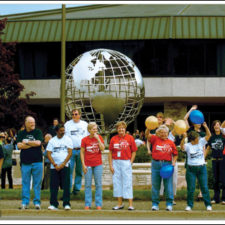
A brand is more than a company name. It’s more like the company’s heartbeat.

In this month’s Executive Connection, Direct Selling News Publisher and Editor in Chief John Fleming speaks with Ryan Blair, Founder and CEO of ViSalus Sciences, about leadership, inspiring distributors and the challenges facing the direct selling industry.
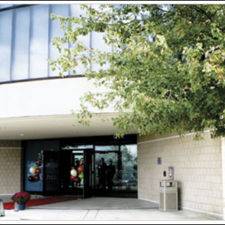
“We create the environment that enriches your life.” That’s our new tagline here at PartyLite, and it’s working beautifully for us.
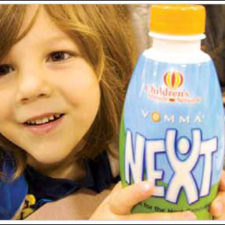
When someone has four children under the age of 4, it’s hard not to think about kids all day long.

According to the Chinese calendar, 2011 is the year of the Rabbit, which means a year in which one should strive to be creative and compassionate. For the direct selling industry, 2011 might well be the year of focusing on a continued and diligent commitment to ethics. During his address at the Annual Meeting several years ago, Direct Selling Association (DSA) President Neil Offen challenged our industry to be both creative and compassionate by redoubling efforts to make direct sellers the envy of other industries by “walking the walk and talking the talk” on high ethical standards and consumer protection. DSA companies responded in earnest to this challenge with renewed vigor and commitment to raising the bar on ethics on a variety of fronts.
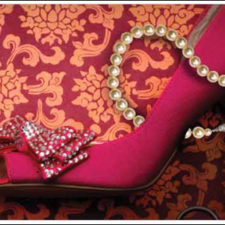
In December 2010, Nordstrom Inc. announced that November 2010 revenue from its stores that had been open at least a year rose 5.1 percent, surpassing Wall Street’s expectations. Nordstrom indicated that its best-selling items included jewelry and women’s and men’s shoes.
Also in December of last year, JCPenney announced the launch of a Facebook e-commerce application, which gives the more than 1.3 million people who “like” the retailer the chance to purchase product directly from JCPenney’s Facebook page. According to the retailer, only selected product categories—including jewelry, shoes and handbags—are now sold on Facebook.

In this highly competitive, oversaturated marketplace, establishing and maintaining brand equity is crucial to differentiating your products from the pack and ultimately assuming a leadership position. According to businessdictionary.com, “brand equity” is defined as “a brand’s power derived from the goodwill and name recognition it has earned over time, which translates into higher sales volume and higher profit margins against competing brands.” In other words, it’s a company’s value based on consumer perception. In the world of direct selling, brand equity not only lets consumers know what a brand stands for and what they can expect, but can also instantly open doors and start conversations for the salesforce with potential customers and prospects.
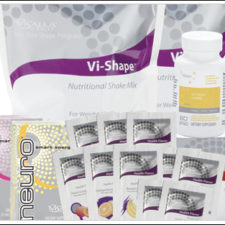
Founder and CEO Ryan Blair says that he and his two co-founders spent the company’s first five years learning what not to do. Now that they have found the formula, they’re celebrating a year of 500 percent revenue growth.
- « Previous Page
- 1
- …
- 614
- 615
- 616
- 617
- 618
- …
- 627
- Next Page »