
Transformation isn’t something that happens to great companies—it’s a decision they make before the future forces their hand.
Transformation has always been part of direct selling. Every company that has endured for decades has reinvented itself more than once. Markets change. Technology evolves. Consumer expectations shift. The companies that last aren’t the ones that resist change—they’re the ones that learn to transform before they have to.
What’s different today is that it feels like every company is standing at the same crossroads at the same time. Artificial intelligence is changing how we work. Social commerce is redefining influence. Entrepreneurship is evolving. Consumer behavior continues to shift beneath our feet. Every conversation seems to begin with disruption, uncertainty and what’s coming next.
The temptation is to see all of that as something happening to us.
I don’t. I think this is one of the greatest opportunities our channel has ever seen.
The question isn’t whether change is coming. It’s whether we’ll intentionally shape what comes next—or simply react to it. That lesson became deeply personal for me over the past year.
The Meaning We Choose
Last January, my family lost our home—and everything inside it—in the Palisades Fire. Like so many moments in life, it wasn’t something we chose. It simply happened. And when something like that happens, you discover very quickly that while you can’t control the circumstances, you can control the meaning you give them.
There were days filled with uncertainty, disappointment and questions without answers. Eventually my wife and I made peace with the idea that perhaps it simply wasn’t the right time to rebuild. We decided to stop forcing the outcome and wait to see what doors might open.
Within weeks, something remarkable happened.
A postcard arrived in our mailbox advertising the vacant lot next to ours. Curious, we met with the real estate agent. During that meeting we discovered that a home two doors down—one with the exact same floor plan as the house we had lost—had just come on the market. In what still feels like an unbelievable series of events, we sold our lot, purchased that home and moved back onto our street before Christmas.
The house isn’t really the story. The story is the choice that came before it. At every crossroads, I had to decide whether to become bitter or hopeful. Whether to focus on what had been lost or remain open to possibilities I couldn’t yet see.
Business works the same way.
Every company will encounter seasons it didn’t choose. Markets shift. Competitors emerge. Technology changes the rules. The organizations that endure aren’t necessarily the ones with the fewest challenges. They’re the ones that refuse to let difficult seasons define their future.
Two Stories, One Industry
I believe direct selling is living through one of those moments right now. Depending on who you ask, our industry is either under tremendous pressure or standing on the edge of enormous opportunity.
One story says our products are becoming commodities. Influencers are replacing distributors. The gig economy has changed everything. Artificial intelligence will disrupt traditional business models, and younger generations simply aren’t interested.
The other story looks at those exact same facts and reaches a completely different conclusion. Flexible work has become mainstream. Entrepreneurship has never been more accessible. Technology allows independent business builders to scale in ways that were unimaginable a decade ago. Human connection has become more valuable precisely because so much of life has become digital.
Same facts. Completely different future.
The story we choose matters because stories shape decisions, and decisions ultimately shape results. The greatest risk facing our companies isn’t AI. It isn’t social commerce or changing consumer behavior. Our biggest roadblock is believing we’re victims of change instead of architects of it.
Transformation Requires Design
At Herbalife, we’re in the middle of our own transformation. After 46 years of success, it would be easy to assume the safest strategy is simply protecting what already exists. Instead, we’ve been asking ourselves a much more difficult question: What is the business that could put us out of business?
Then we ask an even harder one: How do we become that business before someone else does?
Everything begins with vision. Not a slogan on the wall, but a clear destination that every employee and every field leader understands. If ten people inside your organization described where you’re headed, would they all tell the same story?
Vision establishes direction. Strategy determines the path.
Too often, companies mistake tactics for strategy. A collection of projects isn’t a strategy. Strategy requires making difficult choices about what matters most over the next three to five years and—just as importantly—deciding what doesn’t.
Culture then determines whether any of it actually happens.
You can have a compelling vision and a brilliant strategy, but if trust is missing, progress stalls. Healthy cultures are built on reliability, honest communication and shared responsibility. Those qualities don’t develop through mission statements. They develop through difficult conversations, accountability and leaders willing to model the behaviors they expect from everyone else.
Building a Business Worth Joining
Even with the right culture, companies still have to earn the market’s attention. That starts with a value proposition that genuinely matters.
One of the biggest lessons I’ve learned throughout my career is that you cannot outwork a weak value proposition. You can ask distributors to make more calls, attend more meetings and work harder, but eventually the market decides whether what you’re offering is compelling.
Everything behind your value proposition either sharpens the spear or dulls it. Our responsibility as corporate leaders isn’t simply asking the field to sell more effectively. It’s making those conversations easier because the value is clearer. That’s a much more sustainable advantage.
The same principle applies internally. People don’t commit their time, energy and reputation to organizations because they’re perfect. They commit because they believe in where those organizations are going. Every decision we make should strengthen that belief rather than weaken it.
The Future Is Ours to Build
The most encouraging realization I’ve had over the past year is that transformation isn’t reserved for extraordinary moments. It’s a series of intentional decisions made long before the outcome becomes visible.
That’s true whether you’re rebuilding a home, an organization or an entire industry.
The future of direct selling isn’t going to happen to us. It’s going to be created by us. Each of us has an opportunity to influence what the next decade looks like—not simply by adopting new technology, but by choosing how we approach and adapt to change.
The future doesn’t belong to the companies that cling most tightly to the past. It belongs to the leaders willing to design tomorrow before tomorrow demands it.
The world needs entrepreneurship. It needs community. It needs meaningful opportunity. Those have always been the strengths of direct selling. Our job now is to build organizations bold enough to carry those strengths into the future.
The season has changed. Now it’s our turn to transform.
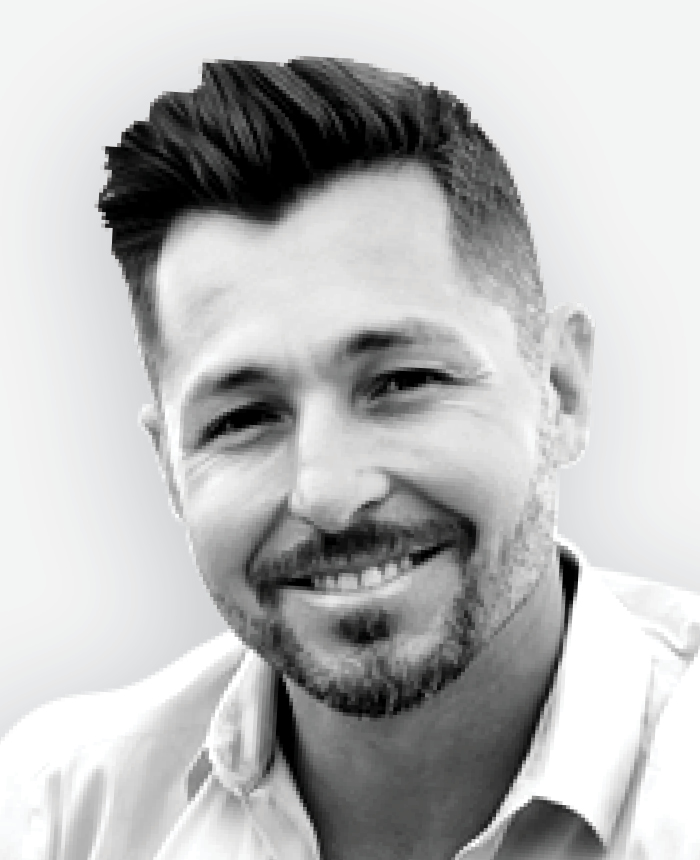
BLAKE MALLEN is an entrepreneur, podcast host, speaker and the marketing mind behind brands that have generated billions of dollars in revenue. After originating the Challenge-based marketing model to build and sell one of the world’s most recognized weight loss brands, Blake is currently Chief Strategy Officer of Herbalife, President of Pro2Col and the Managing Director of BAM Ventures. His TED Talk on how to ‘Shift the Script’ has already reached 1M+ views.
An Online Exclusive from Direct Selling News magazine.