
As part of this year’s DSU Europe event, I was privileged to co-host the DSA Associations Summit with my counterparts from France, the United Kingdom and the US. We dubbed it the “Grand Slam Workshop,” an apt name for an afternoon that brought together approximately 30 DSA CEOs and Association board members from across the globe.
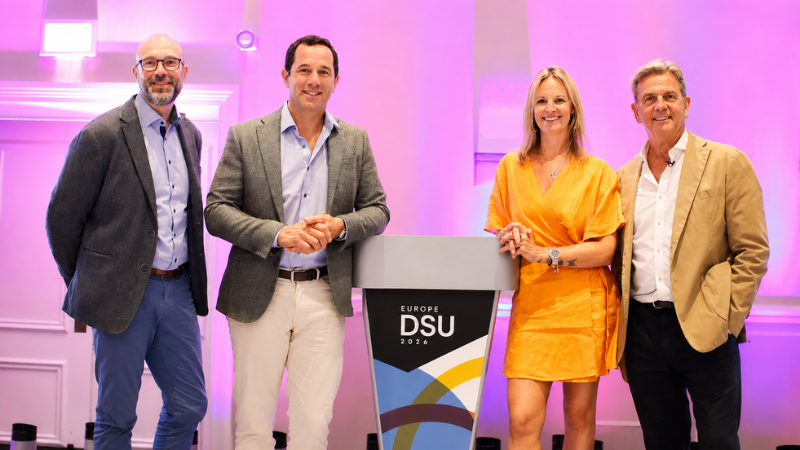
Our objective was simple: to identify practical initiatives that can strengthen the way Associations support, represent and advocate for their members and the direct selling industry. One of the most encouraging moments came early in the session, when there was unanimous agreement on the top priority for Associations:
To collectively promote direct selling to strengthen the global perception of who we are and the many benefits we provide.
That shared view provided a strong foundation for our discussions as we worked through five key topics and developed a series of actionable takeaways for each Association to pursue in its own market.
1. Building a stronger global narrative
When asked about the biggest threats to the long-term relevance of direct selling, the responses were wide-ranging. They included AI and technology, regulation, the gig economy, generational change, the sector’s appeal to Gen Z, public trust, negative media, misleading claims and the lack of a consistent global narrative about direct selling.
But while the challenges across regions differed, they did point to one common issue: the need to better explain who we are and the value we create.
ACTION ITEM: Associations need to work collectively to promote a more positive, consistent and credible story about direct selling—one that highlights the opportunities, entrepreneurship and benefits the channel provides.
2. Demonstrating genuine member value
The Summit also explored how Associations can help members by delivering greater value. Ideas included investing in proactive PR and reputation management; measuring the impact of advocacy and member services; and sharing successful initiatives between DSAs so proven approaches can be adapted in other markets.
There was also strong support for greater collaboration across borders. Reciprocal benefits, affiliate arrangements and more flexible membership models could make it easier and more valuable for companies operating in multiple countries to engage with DSAs.
ACTION ITEM: Clearly communicate what members receive for their membership investment. Advocacy, industry intelligence, credibility, protection and representation should be central to the value proposition—not simply events and networking.

3. Advocacy before it is needed
Another key message was that Associations must remain the industry’s advocate and protector—even when there is no immediate regulatory threat. Building relationships with governments, politicians and key advisers before they are needed puts Associations in a much stronger position when issues arise.
That means maintaining credible evidence on direct selling’s contribution to jobs and the economy, understanding the issues facing the industry, and being ready to respond quickly when legislation or regulation threatens the channel.
ACTION ITEM: Members need to understand why their Association exists and the role it plays in protecting and advancing their business.
4. Making the DSA the “go-to” resource
Attracting new members was another major focus. There was strong support for making DSAs more relevant to professional sellers through education, training, certification and recognized industry credentials. Sector-specific accreditation could also provide tangible credibility in areas such as security, real estate and other direct-selling sectors.
Associations could also provide practical support for companies entering new markets; develop global resource hubs containing market and regulatory information; create leadership networks; and offer accessible membership options for smaller companies and startups.
ACTION ITEM: Become a go-to resource for sellers and companies—whether they are looking for opportunities, information, reassurance, education or credibility.
5. Growing the Association model
Finally, we looked at ways to grow Association revenue beyond traditional membership fees. Membership growth and retention remain fundamental, but there are opportunities to develop complementary revenue streams through education, training, certification, sponsorship, partnerships and services to companies entering new markets.
A particularly interesting idea was a recognized accreditation or verified badge for Market Partners, providing consumers with confidence that the person they are dealing with has met recognised industry standards.
ACTION ITEM: Simply put—BUILD BRAND DSA!
The Association Summit at DSU Europe demonstrated the inherent value of Associations sharing ideas, challenges and successful initiatives across borders. While each DSA remains an independent organization serving its own market, there is enormous potential to collaborate, learn from one another and strengthen the global voice of direct selling.
Thank you to Direct Selling News and my co-hosts Susannah Schofield OBE, Director General DSA UK; Dave Grimaldi, CEO Direct Selling Association USA; and Frederic Billon, Executive Director, French Direct Selling Association as well as our facilitators Amanda Sly, Chair UK Direct Selling Association and Lisa Garley-Evans, Code Administrator, UK Direct Selling Association.

GEOFF MULHAM, CEO of Direct Selling Australia (DSA) has over 30 years’ experience in senior management roles with some of the world’s largest direct selling companies, but he also loves helping people find the best in themselves. As a Business Advisor/Mentor/Coach, his core objective is to help people find fulfilment and joy in their work and everyday life.