
Tuesday / September 22. 2026
menu-logo menu-logo
brand-logo
Subscribe
Subscribe
Tuesday / September 22. 2026
  • Read
    • Daily News
      • Financial
      • Insights
      • U.S.
      • International
    • Digital Issue
    • Executive Announcements
    • Cover Stories
    • Feature Articles
      • Exclusive Interviews
    • International Focus
    • Company Spotlights
    • Forward Thinking
    • Legal Briefs
    • Insights from the Outside
    • For You | For Your Field
    • Working Smart
  • Listen & Watch
    • Direct Approach Podcast
    • What’s Working in Direct Selling
    • BUILT TO LAST
      • Zinzino
      • PM-International
      • LifeWave
    • The DSN Podcast
  • ATTEND
  • Achieve
    • Global 100 List
    • Bravo Awards
    • Best Places to Work
    • Legends
  • Research
    • Stock Watch
    • DSN Supplier Sponsors
    • The DSN Guide
    • Supplier Directory
    • Stock Ticker
    • Resources
  • Engage
    • About DSN
    • Supporter Program
    • Subscribe
    • Advertise
    • VIP Text Alerts
    • Connect
  • Search
Subscribe
PeopleImages/shutterstock.com

OpEd: The $225 Million Lesson: Why Automated Compliance Monitoring Is Now Essential for Direct Selling

BY Jonathan Gilliam | September 22, 2026 | read / Daily News / Insights

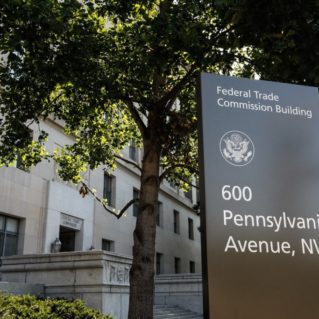
On September 17, the Federal Trade Commission announced a proposed order under which a large multilevel marketing operator and two affiliates would pay $225 million, the largest monetary recovery the agency has ever obtained from an MLM. The allegations centered on misleading earnings claims, pressure to buy inventory that was unlikely to sell, and instructions to report sales that never happened.

I won’t relitigate a case that is still working its way through the courts. But I will say what every direct selling executive should be saying: this is a wake-up call about visibility, not a verdict on our industry.

Direct selling has created flexible opportunity for millions of people and delivered real products to real customers for generations. The overwhelming majority of companies and independent representatives operate with integrity. Protecting that reputation means being able to prove it, and that requires seeing what is actually happening in your field.

What does the FTC’s action tell direct selling companies?

It tells us regulators are focused on three things: what representatives say about income, how sales are recorded, and whether the compensation structure rewards genuine customer demand. The FTC’s press release describes remedies that include requiring independent audits of sales records, training before recruiting, and termination of anyone who fakes sales or teaches others to.

Notice what all of those have in common: documentation and oversight. You cannot enforce standards you cannot see.

Why isn’t manual compliance monitoring enough?

Years ago, I described compliance teams as playing the world’s largest game of whack-a-mole. That’s more true today than ever. Our industry has moved from living rooms and hotel ballrooms to Instagram Reels, TikTok, private groups, podcasts, and livestreams. Every post is a potential earnings claim. Every testimonial is a potential regulatory exhibit.

Manual monitoring, meaning staff members running Google searches and hoping to stumble onto the problem, is expensive, slow, and unreliable. Each case can consume a dozen person-hours, and the truly risky content often sits in corners of the internet no one thinks to check. Meanwhile, regulators do not accept “we didn’t know” as a defense. If your representatives are making claims, you are expected to know.

What is automated compliance monitoring?

Automated compliance monitoring uses technology to continuously scan social platforms, websites, videos, and search results for content that violates company policy or regulatory guidelines. It flags earnings claims, unapproved health statements, and misleading business-opportunity messaging, then routes each issue to the right person or triggers a pre-approved resolution.

Done well, it accomplishes three things:

  1. Speed. Problems are identified in hours rather than months, before a single post becomes a pattern.
  2. Consistency. Every representative is held to the same standard, from top leaders to newest enrollees. That matters because the highest-earning leaders often set the tone for the whole organization.
  3. Evidence. A documented, time-stamped record shows regulators that your program is real, active, and enforced.
Won’t monitoring hurt field enthusiasm?

Only if it’s done poorly. The worst compliance programs are either heavy-handed, which pushes reps to go quiet or get “creative,” or head-in-the-sand, which invites disaster. Automation offers a third path: your compliance team stops spending its days searching and starts spending them on education, policy development, and building relationships with the field. Representatives get quick, fair feedback and clear guidance on how to succeed within the rules. That is good for them, good for their customers, and good for the brand.

What should direct selling leaders do now?
  • Audit your visibility. Ask honestly how much of your field’s public content you can actually see today.
  • Monitor the whole ecosystem. That includes leader-run organizations and training providers, not only corporate channels.
  • Pair monitoring with training. Detection without education creates resentment, and education without detection creates blind spots.
  • Keep records. If it isn’t documented, it didn’t happen.

The Bottom Line

Direct selling is a legitimate, valuable channel, and the companies that thrive in the next decade will be the ones that can demonstrate it. The FTC has told us where it is looking. The smart response isn’t fear. It’s investing in the tools and culture that let us say, with evidence, that our field is doing business the right way.

Frequently Asked Questions

What is automated compliance monitoring for direct sellers?

It is technology that continuously scans online channels for representative content that violates company policy or regulations, then flags and routes issues for fast resolution.

Why does it matter?

The action highlighted regulators’ focus on earnings claims and sales reporting, and companies are expected to know what their independent representatives are saying and doing.

Can automation replace a compliance team?

No. It removes low-value manual searching so professionals can focus on strategy, training, and field communication.


Jonathan Gilliam is the Founder and CEO of FieldWatch, the leading AI-powered compliance monitoring and brand protection software purpose-built for direct selling companies.
Posted in Daily News, Insights
Related Articles
US Supreme Court Gives President Power to Remove FTC Commissioners without Cause July 01, 2026

US Supreme Court Gives President Power to Remove FTC Commissioners without Cause

Read more
The Direct Selling Industry’s Most Important Consumer Protection Story Isn’t Being Told June 29, 2026

The Direct Selling Industry’s Most Important Consumer Protection Story Isn’t Being Told

Read more
Social Commerce Is the New Revenue Driver March 24, 2026

Social Commerce Is the New Revenue Driver

Read more
brand-logo
The News You Need.
The Name You Trust.
Subscribe

Breaking global news, emerging trends and powerful stories conveniently curated to help direct selling executives stay informed, engaged and a step ahead.

  • Read
  • Listen & Watch
  • Attend
  • Achieve
  • Research
  • About
  • Connect
5717 Legacy Drive
Suite 250
Plano, Texas 75024
info@directsellingnews.com
Copyright 2026 Direct Selling News | All Rights Reserved
  • Privacy Policy
  • Terms of Use
  • Advertise
  • Subscribe
We use cookies on our website to give you the most relevant experience by remembering your preferences and repeat visits. By clicking “Accept All”, you consent to the use of ALL the cookies. However, you may visit "Cookie Settings" to provide a controlled consent.
Cookie SettingsAccept All
Manage consent

Privacy Overview

This website uses cookies to improve your experience while you navigate through the website. Out of these, the cookies that are categorized as necessary are stored on your browser as they are essential for the working of basic functionalities of the website. We also use third-party cookies that help us analyze and understand how you use this website. These cookies will be stored in your browser only with your consent. You also have the option to opt-out of these cookies. But opting out of some of these cookies may affect your browsing experience.
Necessary
Always Enabled
Necessary cookies are absolutely essential for the website to function properly. These cookies ensure basic functionalities and security features of the website, anonymously.
CookieDurationDescription
cookielawinfo-checkbox-analytics11 monthsThis cookie is set by GDPR Cookie Consent plugin. The cookie is used to store the user consent for the cookies in the category "Analytics".
cookielawinfo-checkbox-functional11 monthsThe cookie is set by GDPR cookie consent to record the user consent for the cookies in the category "Functional".
cookielawinfo-checkbox-necessary11 monthsThis cookie is set by GDPR Cookie Consent plugin. The cookies is used to store the user consent for the cookies in the category "Necessary".
cookielawinfo-checkbox-others11 monthsThis cookie is set by GDPR Cookie Consent plugin. The cookie is used to store the user consent for the cookies in the category "Other.
cookielawinfo-checkbox-performance11 monthsThis cookie is set by GDPR Cookie Consent plugin. The cookie is used to store the user consent for the cookies in the category "Performance".
viewed_cookie_policy11 monthsThe cookie is set by the GDPR Cookie Consent plugin and is used to store whether or not user has consented to the use of cookies. It does not store any personal data.
Functional
Functional cookies help to perform certain functionalities like sharing the content of the website on social media platforms, collect feedbacks, and other third-party features.
Performance
Performance cookies are used to understand and analyze the key performance indexes of the website which helps in delivering a better user experience for the visitors.
Analytics
Analytical cookies are used to understand how visitors interact with the website. These cookies help provide information on metrics the number of visitors, bounce rate, traffic source, etc.
Advertisement
Advertisement cookies are used to provide visitors with relevant ads and marketing campaigns. These cookies track visitors across websites and collect information to provide customized ads.
Others
Other uncategorized cookies are those that are being analyzed and have not been classified into a category as yet.
SAVE & ACCEPT