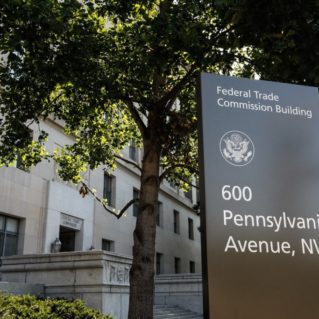
On September 17, the Federal Trade Commission announced a proposed order under which a large multilevel marketing operator and two affiliates would pay $225 million, the largest monetary recovery the agency has ever obtained from an MLM. The allegations centered on misleading earnings claims, pressure to buy inventory that was unlikely to sell, and instructions to report sales that never happened.
I won’t relitigate a case that is still working its way through the courts. But I will say what every direct selling executive should be saying: this is a wake-up call about visibility, not a verdict on our industry.
Direct selling has created flexible opportunity for millions of people and delivered real products to real customers for generations. The overwhelming majority of companies and independent representatives operate with integrity. Protecting that reputation means being able to prove it, and that requires seeing what is actually happening in your field.
What does the FTC’s action tell direct selling companies?
It tells us regulators are focused on three things: what representatives say about income, how sales are recorded, and whether the compensation structure rewards genuine customer demand. The FTC’s press release describes remedies that include requiring independent audits of sales records, training before recruiting, and termination of anyone who fakes sales or teaches others to.
Notice what all of those have in common: documentation and oversight. You cannot enforce standards you cannot see.
Why isn’t manual compliance monitoring enough?
Years ago, I described compliance teams as playing the world’s largest game of whack-a-mole. That’s more true today than ever. Our industry has moved from living rooms and hotel ballrooms to Instagram Reels, TikTok, private groups, podcasts, and livestreams. Every post is a potential earnings claim. Every testimonial is a potential regulatory exhibit.
Manual monitoring, meaning staff members running Google searches and hoping to stumble onto the problem, is expensive, slow, and unreliable. Each case can consume a dozen person-hours, and the truly risky content often sits in corners of the internet no one thinks to check. Meanwhile, regulators do not accept “we didn’t know” as a defense. If your representatives are making claims, you are expected to know.
What is automated compliance monitoring?
Automated compliance monitoring uses technology to continuously scan social platforms, websites, videos, and search results for content that violates company policy or regulatory guidelines. It flags earnings claims, unapproved health statements, and misleading business-opportunity messaging, then routes each issue to the right person or triggers a pre-approved resolution.
Done well, it accomplishes three things:
- Speed. Problems are identified in hours rather than months, before a single post becomes a pattern.
- Consistency. Every representative is held to the same standard, from top leaders to newest enrollees. That matters because the highest-earning leaders often set the tone for the whole organization.
- Evidence. A documented, time-stamped record shows regulators that your program is real, active, and enforced.
Won’t monitoring hurt field enthusiasm?
Only if it’s done poorly. The worst compliance programs are either heavy-handed, which pushes reps to go quiet or get “creative,” or head-in-the-sand, which invites disaster. Automation offers a third path: your compliance team stops spending its days searching and starts spending them on education, policy development, and building relationships with the field. Representatives get quick, fair feedback and clear guidance on how to succeed within the rules. That is good for them, good for their customers, and good for the brand.
What should direct selling leaders do now?
- Audit your visibility. Ask honestly how much of your field’s public content you can actually see today.
- Monitor the whole ecosystem. That includes leader-run organizations and training providers, not only corporate channels.
- Pair monitoring with training. Detection without education creates resentment, and education without detection creates blind spots.
- Keep records. If it isn’t documented, it didn’t happen.
The Bottom Line
Direct selling is a legitimate, valuable channel, and the companies that thrive in the next decade will be the ones that can demonstrate it. The FTC has told us where it is looking. The smart response isn’t fear. It’s investing in the tools and culture that let us say, with evidence, that our field is doing business the right way.
Frequently Asked Questions
What is automated compliance monitoring for direct sellers?
It is technology that continuously scans online channels for representative content that violates company policy or regulations, then flags and routes issues for fast resolution.
Why does it matter?
The action highlighted regulators’ focus on earnings claims and sales reporting, and companies are expected to know what their independent representatives are saying and doing.
Can automation replace a compliance team?
No. It removes low-value manual searching so professionals can focus on strategy, training, and field communication.
Jonathan Gilliam is the Founder and CEO of FieldWatch, the leading AI-powered compliance monitoring and brand protection software purpose-built for direct selling companies.